

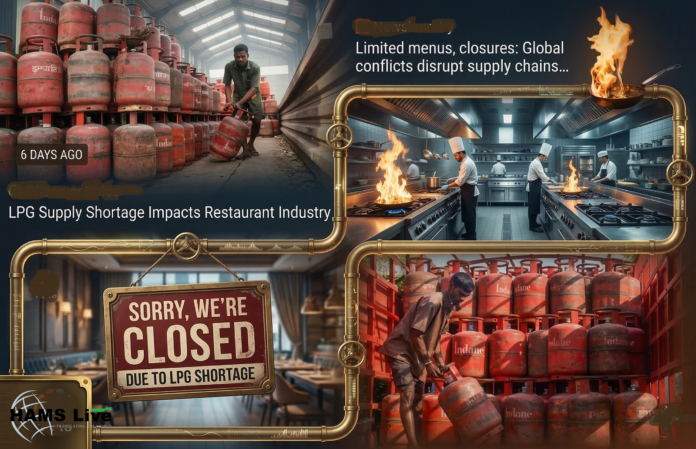
Shift in the food industry amid escalating costs and supply issues
As the burden of increasing commercial gas prices weighs heavily on the food service industry, several local eateries are being forced to make difficult decisions. In cities across the country, restaurants are grappling not only with the soaring costs of ingredients but also the skyrocketing energy bills that have resulted from fluctuating gas prices. These realities prompted some establishments to temporarily shut their doors, stirring concerns among patrons about the future of dining out.
Local reports indicate that the price of commercial gas has surged significantly over the past year, driven by a combination of global supply chain disruptions and domestic demand fluctuations. This rise has been particularly unfavorable for small businesses, which typically operate with tight profit margins. The question remains: how are these changes impacting eateries, and what does this mean for consumers?
While various factors feed into the crisis, the primary culprits appear to be global conflicts and climate-related issues that have disrupted supply lines. These challenges have made it increasingly difficult for restaurants to sustain their operations without passing on costs to customers. This dilemma has left many owners contemplating whether to increase prices or close their doors entirely.
Recent closures have affected a mix of establishments, from small family-owned diners to larger franchises. According to a report by NDTV, the crisis is not merely limited to a few locations but is indicative of a broader trend impacting the food industry nationwide. As these businesses weigh their options, many have found themselves facing an unrelenting pressure to adapt or shut down altogether.
The Broader Impact on Dining Culture
As dining options dwindle, this trend signals a potential shift in the local cuisine landscape. Eateries that once thrived on serving affordable meals to their communities are now being forced to rethink their business models. For many, altering menu prices is not feasible, as customers may be unwilling to pay for increased food costs.
This development has sparked conversations about what constitutes a sustainable restaurant model in an environment dictated by unpredictable energy and ingredient prices. Patrons have expressed concerns about the loss of their favorite local spots, which have often been cornerstones of their communities. Frequent diners find themselves wondering where they can continue to enjoy affordable dining experiences as more establishments shutter.
Additionally, this crisis may have a ripple effect on local economies, particularly in areas heavily reliant on small businesses. With fewer dining options available, communities could see a decrease in foot traffic, impacting other local businesses that thrive on the presence of hungry customers. The challenge ahead will be whether remaining restaurants can position themselves within this shifting landscape while also maintaining customer loyalty.
Why Are Prices Rising?
To understand the current crisis, it’s essential to examine the market factors driving these price increases. Global events, such as geopolitical tensions and trade sanctions, have disrupted oil and gas supplies. In addition to these external pressures, domestic issues like labor shortages have exacerbated the situation, leading to delays and complications in the supply chain.
Moreover, inflation has taken a toll on various sectors, contributing to rising food and gas prices. As costs increase, businesses must adapt or risk losing their competitive edge. Restaurant owners must balance the need to maintain current prices with the realities of operating costs, which can often force them to make tough decisions regarding their workforce and menu offerings.
The Response from Business Owners
In response to these challenges, some restaurant owners are finding creative solutions to mitigate costs while maintaining quality. For example, a number of eateries are exploring local sourcing of ingredients, which could help minimize transportation costs. Others are turning to alternative cooking methods that require less energy, such as shifts towards cold dishes or utilizing electric cookers in place of gas.
Community support also plays a pivotal role in determining whether local eateries can survive this storm. Many restaurants have initiated crowdfunding efforts or special promotions to encourage patrons to dine out and support their businesses. The sense of community connection is crucial during this transitional period for many local spots.
What Lies Ahead for the Food Industry?
Looking forward, the future of dining out remains uncertain. As prices continue to fluctuate, the potential for more restaurant closures looms large. However, this situation may also present an opportunity for innovation within the food industry. Eateries could embrace technology-driven solutions that enhance operational efficiency and reduce reliance on traditional energy sources.
Furthermore, as restaurants navigate these challenges, consumer behavior may shift as well. Diners may begin to seek out establishments with transparent pricing and sustainable practices, prioritizing businesses that foster community connections. The question businesses must contemplate is how to balance customer expectations with the economic realities they face.
As noted in a report from Reuters, the broader economic landscape will play a critical role in determining how quickly or slowly the food industry can recover from these setbacks. It remains to be seen how restaurants will adjust, but one thing is clear: a collective effort from both consumers and business owners will be necessary to weather these changes.
Broader Implications for the Future of Dining
As we consider the implications of rising commercial gas prices on the food industry, it’s important to acknowledge the resilience of local businesses. While many establishments are finding themselves in dire situations, history has shown that crises often spur innovation and adaptation. Communities can rally around their local eateries, ensuring that the places people love to gather remain viable.
Ultimately, the evolving landscape of the food industry may lead to new dining experiences that prioritize sustainability and community support. It will require collective effort and creativity to not only navigate current challenges but to emerge stronger than before. Only time will tell how this pivotal moment in the restaurant sector will shape the future of dining across the nation.

