

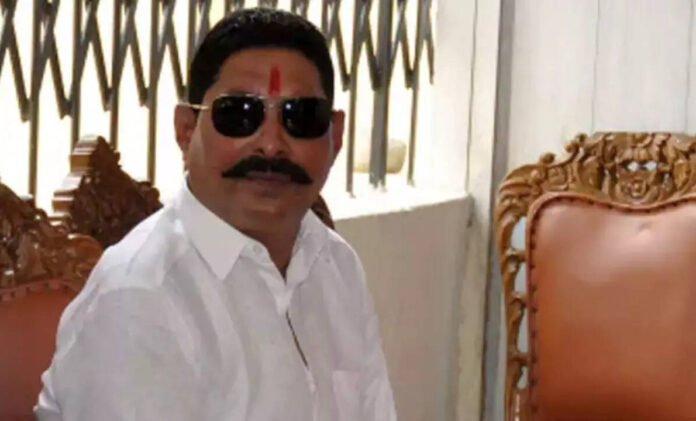
Anant Singh, the Janata Dal (United) MLA, has been granted bail by the Patna High Court in a high-profile murder case, raising questions about political influence and justice in Bihar’s tumultuous political landscape.
Anant Singh’s Bail Sparks Controversy Following Dularchand Yadav’s Murder
On Thursday, the Patna High Court ruled in favor of Anant Singh, a prominent leader of the Janata Dal (United), granting him bail related to the murder of Dularchand Yadav, a supporter of the Jan Suraaj movement. The incident surrounding Yadav’s death occurred on October 30, when violent clashes erupted between the supporters of Singh and his political rival, Surajbhan Singh, in Mokama, Patna district. Following the violent altercation, Singh was arrested on November 1, shortly after he won the assembly seat in Mokama by a significant margin despite the criminal allegations against him.
The case has drawn considerable public attention, not just due to its violent nature but also because of the political ramifications in Bihar. Anant Singh, who defeated RJD candidate Veena Devi in the Bihar Assembly elections with a margin of 28,206 votes, has been a controversial figure, often associated with allegations of criminal activity and political manipulation. Reports from The Times of India indicate that this case is emblematic of the broader issues of lawlessness and political power struggles in the region.
In a surprising twist, even after facing serious charges, Singh managed to secure his position in the Bihar Assembly, signaling a robust backing from his party and constituents. Before taking his oath, he was seen seeking blessings from Bihar’s Chief Minister Nitish Kumar, which adds another layer of intrigue to the unfolding narrative.
The violence that resulted in Dularchand Yadav’s death has been attributed to a chaotic clash that reflected the intense rivalry between Singh and Surajbhan Singh, both of whom have long exerted influence in the Mokama region’s politics. On the night of the incidents, Yadav was pronounced dead, but subsequent medical examinations revealed that the cause was cardiac and respiratory failure, rather than direct gunshot injuries, as initially suspected. Despite a bullet mark found on Yadav’s leg, Bihar DGP Vinay Kumar confirmed that it was not the cause of death, which has left room for debate regarding the circumstances surrounding the incident.
Background of the Incident and Its Political Implications
Dularchand Yadav’s murder erupted during a politically charged environment as the state prepared for elections. The Mokama constituency had historically been a battleground for power between various political factions, and Singh’s involvement only intensified the stakes of the election. The atmosphere was ripe for conflict, with tensions boiling over during a time when both proponents of Singh and Surajbhan Singh were vying for dominance in the region.
The events leading up to Yadav’s death showcased not only the political rivalries at play but also identified serious concerns regarding law enforcement. Following the incident, two police officers, Ghoswari SHO Madhusudan Kumar and Bhadaur SHO Ravi Ranjan, were suspended, indicating an acknowledgment of possible oversights in the handling of the situation. This suspension calls into question the effectiveness of local law enforcement in maintaining order during critical electoral events.
The fallout from the murder case highlights the challenges faced by the government in ensuring a fair electoral process amidst politically motivated violence. The ongoing investigations and the high-profile nature of Singh’s bail decision continue to stir discussions about the intersection of crime and politics in Bihar. Many observers have voiced concern that this case might set a detrimental precedent, where influential politicians can maneuver through the justice system despite serious allegations.
Electoral Context and Implications for Bihar Politics
The recent electoral history in Bihar reveals a pattern where alliances and rivalries typically dictate the political landscape. The 2025 Bihar Assembly elections resulted in a decisive victory for the National Democratic Alliance (NDA), which secured 202 out of 243 seats, leaving the opposition Mahagathbandhan with only 35 seats. Singh’s continued prominence in this political environment, despite facing murder charges, raises questions about voter sentiment and the public’s appetite for change in a system often dominated by strongmen.
As political dynamics evolve, the case of Dularchand Yadav’s murder and Anant Singh’s subsequent bail could have significant implications for future elections. Voters may reassess their loyalty towards candidates who have been embroiled in controversies or demonstrate an affinity for political maneuvering over accountability. Singh’s ability to maintain his seat amid such serious allegations could either bolster his reputation among loyal supporters or alienate a broader electorate that seeks reform and stability.
Public reaction to the bail ruling has been mixed. Some view it as a testament to Singh’s political clout, while others see it as a reflection of systemic failings within Bihar’s judicial and political frameworks. The potential for unrest following such developments cannot be underestimated, especially given the charged political environment in the state.
What this means going forward
As the political landscape in Bihar continues to evolve, the implications of Anant Singh’s bail in the Dularchand Yadav murder case will likely reverberate through future electoral cycles. The balance of power among political entities, as well as public perception of law enforcement and governance, will shape the forthcoming elections and the strategies of political parties.
For the Janata Dal (United) and its leader, maintaining stability and loyalty among constituents while addressing the concerns surrounding Singh’s legal troubles will be vital. The unfolding narrative suggests that both the electorate’s demands for accountability and the political establishment’s responses will play a crucial role in determining the future course of Bihar’s politics.
Observers and analysts will be closely monitoring how this case affects not only Anant Singh’s political future but also the broader implications for governance and law enforcement in Bihar. As the state grapples with issues of political violence and justice, the road ahead is fraught with challenges that will test the strength of its democratic processes.
This evolving story underscores the importance of transparency, accountability, and reform in addressing the intertwined nature of crime and politics in Bihar, setting the stage for a critical examination of the state’s political and social fabric.

 MLA, has been granted bail by the Patna High Court in a high-profile murder case, raising questions about political influence and justice in Bihar's tumultuous political landscape.)