

India’s Premier Investigative Agency Unravels a Major Corruption Scandal
In a significant development in Indian corruption investigations, the Central Bureau of Investigation (CBI) has initiated proceedings against former officials of Tata Consulting Engineers (TCE) and the Jawaharlal Nehru Port Trust (JNPT). The probe focuses on alleged irregularities linked to a staggering sum of over Rs. 800 crore related to capital dredging activities aimed at enhancing the navigational capacities of Mumbai’s port. This case marks a pivotal moment in India’s ongoing efforts to combat corruption and uphold transparency in public projects.
The inquiry stems from a three-year preliminary investigation into accusations of inflated cost estimates, maneuvering to eliminate competition, and preferential treatment granted to selected international contractors. Furthermore, the CBI has raised concerns regarding the suppression of critical reports from independent assessment organizations, undermining the integrity of the project. The CBI’s actions prompted immediate searches at multiple locations, indicating the seriousness of the allegations.
Who, What, Where, When, Why, and How of the CBI’s Investigation
The CBI’s recent FIR names a number of key individuals in connection with the corruption case, notably Sunil Kumar Madabhavi, the former chief engineer of JNPT, and Devdutt Bose, the ex-project director of TCE. Additionally, the CBI has implicated two dredging firms: Boskalis Smit India LLP and Jan De Nul Dredging India Pvt Ltd, alongside unidentified public servants.
The scandal’s roots trace back to a project initiated in 2003 aimed at deepening and widening the navigational channel shared between JNPT and Mumbai Port. This endeavor was crucial for accommodating larger cargo ships, ultimately enhancing India’s shipping capabilities. It was in 2010 that TCE submitted the final report concerning the planning of dredging activities under the Capital Dredging Phase-I project, which the company managed as the project consultant. However, allegations have surfaced claiming that these activities involved significant financial misconduct, resulting in extraordinary losses to the national exchequer.
The CBI’s FIR highlights that the alleged financial misconduct was not a standalone incident but reportedly spanned over multiple phases—from 2003 to 2014 for Phase-I and from 2013 to 2019 for Phase-II. The probe has unveiled details suggesting that improper advantages were obtained by the implicated private companies due to the abuse of power by JNPT officials.
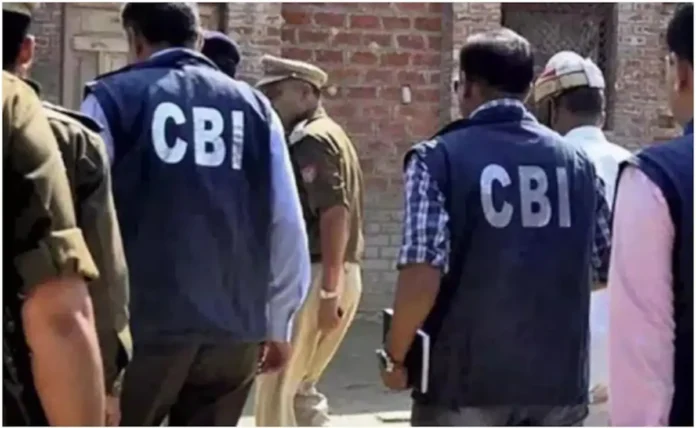
On June 20, 2025, the CBI executed searches at five separate locations, primarily in Mumbai and Chennai. The agency specifically targeted the residences of both Madabhavi and Bose, along with the offices of the implicated private companies. During these operations, the CBI recovered a plethora of incriminating materials, including documents related to the dredging project and digital devices that could provide further insights into the financial dealings of the accused.
As per the report by NDTV, the investigative agency has employed various means, including forensic examination, to analyze the recovered documents and digital devices, signifying a comprehensive approach to tackling this high-profile corruption case.
While the accused companies have not made any public statements regarding the allegations, the CBI’s ongoing investigation is expected to send ripples through the corporate sector, further igniting conversations about accountability in public-private partnerships. As this investigation unfolds, it raises essential questions about the depths of corruption within high-stakes projects and the measures necessary to ensure integrity moving forward.
The Broader Implications of the CBI’s Findings
The scandal linked to Tata Consulting Engineers and the associated dredging firms shines a glaring light on the vulnerabilities of the public sector when it intersects with private corporate interests. With the potential for significant financial loss to the government and subsequent economic ramifications, the call for enhanced scrutiny and more robust governance frameworks has never been more pertinent.
This case is particularly alarming given that it follows a trend in which major public projects have been tainted by corruption allegations, leading to calls for reform within the system. The specifics of this case could serve as a case study for future endeavors in ensuring that contracts and public projects are executed transparently, with strict adherence to guidelines that prevent exploitation.
As stakeholders await further developments, the situation underscores the importance of NGOs and civil society in advocating for systems of accountability and transparency in both public and private sectors. Public awareness initiatives and vigilant investigative journalism will be crucial in keeping these issues in the limelight, ensuring that questions of ethics remain at the forefront of national consciousness.
In Conclusion
As the CBI delves deeper into the complexities of this alleged Rs 800 crore scam involving Tata Consulting Engineers and its affiliates, the implications of its findings will likely shape the landscape of governance and corporate ethics in India. The agency’s commitment to rooting out corruption will not only serve as a deterrent to potential wrongdoing in the future but will also reflect the growing public demand for accountability in all sectors.
For readers interested in understanding more about the challenges of corruption in India, you can explore additional insights through The Hindu and Mint Press News. As this story progresses, updates will be essential for those monitoring the intersection of public policy and corporate responsibility.
DISCLAIMER
We have taken every measure to ensure that the information in this article and on our social media platforms is accurate, verified, and obtained from reliable sources. For feedback or complaints, please contact us at info@hamslive.com.

