



Understanding the Recent Pahalgam Terror Attack: Key Insights
On April 22, a tragic terrorist attack occurred in the picturesque Baisaran Valley of Pahalgam, Jammu and Kashmir, resulting in the loss of 26 lives and injuries to numerous others. Reports indicate that the perpetrators of this heinous act had undergone elite military training in Pakistan. Among them was Hashim Musa, a notorious member of Lashkar-e-Taiba, who has been linked to several violent incidents in the region. As authorities intensify their hunt for these terrorists, a bounty has been placed on Musa’s head, reflecting the urgency of the situation.
The incident took place in a popular tourist area known for its breathtaking scenery, often dubbed “Mini Switzerland.” Eyewitness accounts describe a chaotic scene as tourists scrambled for safety amid the gunfire. The police are actively investigating the backgrounds of the attackers, uncovering their connections to militant training camps across the border. This incident has raised serious concerns regarding the resurgence of terrorist activities in Jammu and Kashmir and the implications for regional security.
Who Are the Terrorists Involved?
Investigations reveal that the attack was perpetrated by militants closely associated with terrorist organizations like Lashkar-e-Taiba, Jaish-e-Mohammed, and Hizbul Mujahideen. The authorities have specifically highlighted Hashim Musa, who is believed to have entered India earlier this year. His experience as a former para-commando in Pakistan’s Special Service Group has evidently equipped him with skills that he has since applied to orchestrate terror attacks in Jammu and Kashmir.
What Happened on April 22?
On that fateful day, unmasked terrorists targeted tourists in the idyllic Baisaran Valley. The attack left 26 individuals dead, including one Nepali national, and many others injured. Witnesses reported that the attackers opened fire indiscriminately, leading to chaos and fear among the tourists who had flocked to the area for its natural beauty. The tragic outcome of this attack has alarmed both local residents and authorities, who now fear for the safety of visitors in this once-peaceful locale.
Where Did This Attack Occur?
The assault took place in Baisaran Valley, a renowned tourist destination in Pahalgam, located within the Anantnag district of Jammu and Kashmir. This valley is not only celebrated for its stunning landscapes but also forms an integral part of Kashmir’s tourism-driven economy. The attack raises apprehensions regarding the potential long-term impact on tourism and overall security in this sensitive region.
When Did These Events Unfold?
The lethal siege on Baisaran Valley transpired on April 22, 2023—a date now etched into the memories of those who survived and the families of the victims. As the investigation unfolds, authorities are piecing together the timeline leading up to the attack, scrutinizing how the terrorists executed their plans undetected.
Why Did the Attack Happen?
According to intelligence sources, the motive behind the Pahalgam attack was likely to instigate chaos and highlight the ongoing unrest in Kashmir. This assault bears resemblance to previous attacks in the region and is perceived as part of a larger strategy employed by terrorist outfits to undermine stability and inflict casualties on the local populace. The timing of this attack, shortly after the abrogation of Article 370 in 2019, adds another layer of complexity to the ongoing tensions.
How Are Authorities Responding?
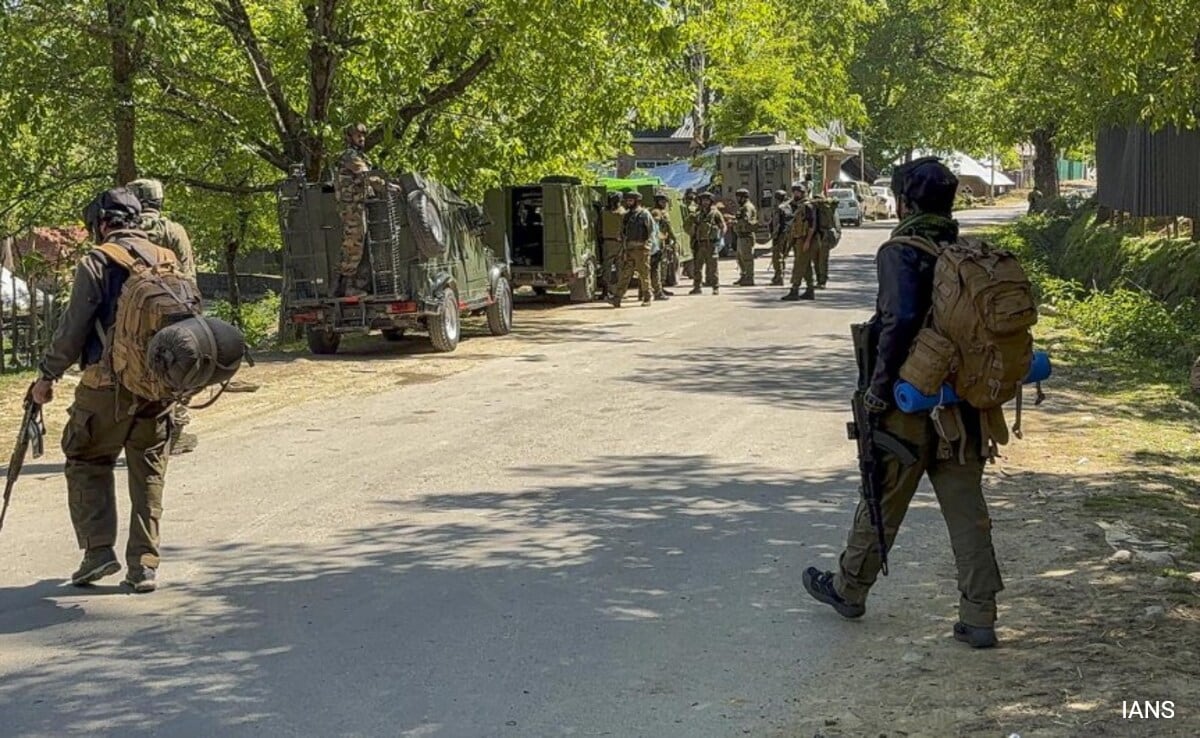
In the aftermath of the attack, security forces have launched extensive operations to capture the terrorists and prevent any further violence. The Jammu and Kashmir police have announced a bounty of Rs 20 lakh for information leading to the capture of Hashim Musa. This incentivization aims to galvanize public support in identifying the attackers, while authorities are simultaneously employing advanced surveillance and intelligence-gathering techniques to track down those responsible.
As per the report by The Hindu, security agencies have recorded that Musa has been involved in multiple attacks since entering India, with at least six incidents linked to his activities. The coordinated efforts by Indian security forces to clamp down on terrorism in Kashmir demonstrate a robust response to this alarming crisis.
Increasing Concerns Over Regional Security
The Pahalgam assault has sparked renewed fears over the security landscape in Jammu and Kashmir, reflecting the region’s complex geopolitical dynamics. Following the attack, India has reacted sharply, suspending the decades-old Indus Waters Treaty with Pakistan indefinitely and initiating the repatriation of Pakistani nationals residing in India.
Security experts warn that if these violent acts continue, they could jeopardize not only the safety of local residents but also the appeal of Jammu and Kashmir as a tourist destination. As the international community watches closely, India’s next steps will be crucial in shaping the narrative around peace and stability in this volatile region.
Additionally, to understand the historical context of the conflict, click on[this informative piece](https://www.bbc.com/news/world-asia-india-54674109).
In light of the Pahalgam attack, it is imperative for the authorities to devise comprehensive strategies aimed at not just counter-terrorism, but also fostering dialogue and peace-building efforts. The path forward must prioritize the safety and security of all residents and visitors in Jammu and Kashmir, paving the way for a more stable and prosperous future for the region.
DISCLAIMER
We have taken every measure to ensure that the information in this article and on our social media platforms is accurate, verified, and obtained from reliable sources. For feedback or complaints, please contact us at info@hamslive.com.