

Indian Scientists Unveil Groundbreaking Climate-Smart Rice Varieties Using Advanced Genome Editing Techniques
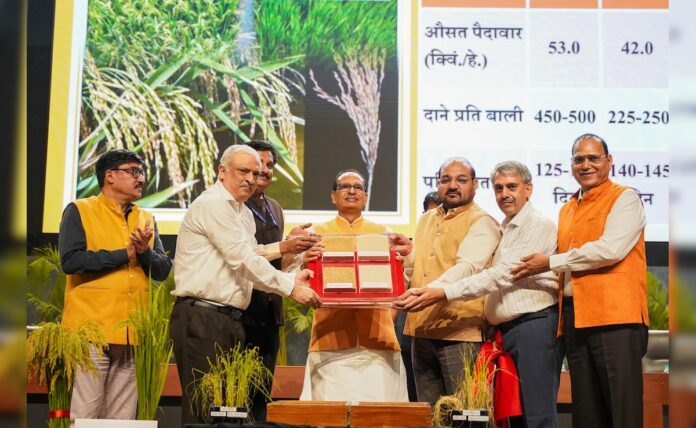
In a remarkable leap for agricultural science, Indian scientists have successfully developed two new rice varieties that utilize cutting-edge genome editing technology. Announced on May 5, 2025, by Union Agriculture Minister Shivraj Singh Chauhan, these climate-smart rice varieties promise not only to boost yield by an impressive 25% but also to conserve invaluable water resources. Developed by the Indian Agricultural Research Institute (IARI) in New Delhi and the Indian Rice Research Institute in Hyderabad, this advancement marks India as the first nation globally to introduce such genome-edited rice varieties.
The newly launched rice varieties, ‘DRR Dhan 100 (Kamala)’ and ‘Pusa DST Rice 1’, are designed to withstand the challenges posed by climate change, including drought and salinity, while also increasing overall productivity. These varieties represent a significant step forward in addressing food security challenges both domestically and internationally, particularly as the global population continues to rise.
The 5 Ws and 1 H of the New Rice Varieties
Who: The breakthroughs are the result of collaborative research efforts by esteemed scientists from the Indian Agricultural Research Institute (IARI) and the Indian Rice Research Institute.
What: The two new rice varieties, ‘Kamala’ and ‘Pusa DST Rice 1’, are created using genome editing techniques, specifically the CRISPR-Cas9 system, which allows for targeted modifications in the plant’s genetic makeup.
Where: This groundbreaking research was conducted at IARI, New Delhi, and the Indian Rice Research Institute, Hyderabad, in India.
When: The announcement regarding the release of these rice varieties was made on May 5, 2025.
Why: The innovation is designed to enhance agricultural productivity while addressing pressing environmental issues such as water scarcity and the need for sustainable farming practices.
How: Utilizing advanced genome editing technology, scientists made precise changes to the existing rice varieties, improving their resilience and yield without introducing foreign DNA, distinguishing them from genetically modified (GM) crops.
Growing Concern for Food Security
As rising population levels and climate change create unprecedented challenges for food production, the development of these rice varieties comes at a critical time. Minister Chauhan emphasized the importance of food security for India and the world, stressing that with the right agricultural innovations, India can become a major food producer globally.
The Indian Government’s commitment to agricultural advancement is further underscored by the allocation of ₹500 crore in the 2023-24 budget specifically for genome editing initiatives. This investment highlights a strategy to enhance food production while maintaining environmental sustainability.
Benefits Beyond Yield
In addition to the impressive 25% increase in yield, these new rice varieties offer several noteworthy environmental benefits. They are projected to reduce greenhouse gas emissions by 20%, equating to approximately 32,000 tons. Furthermore, the cultivation of these climate-smart varieties is expected to save 7,500 million cubic meters of water, a resource that can then be redirected for other agricultural purposes.
Dr. C Vishwanathan from IARI conveyed optimism regarding these advancements, calling this development a “golden day for agricultural research in India.” He emphasized the necessity of global collaboration to tackle climate-related agricultural challenges, making these crops a vital tool for farmers.
Innovative Research Methodology
The innovative genome editing project, initiated by the Indian Council of Agricultural Research (ICAR) in 2018, focused on two widely cultivated rice strains: Samba Mahsuri and MTU1010. While Samba Mahsuri is cherished for its fine grain quality, it struggles with climate resilience, making it an ideal candidate for improvement. The team targeted enhancing stress tolerance and yield without undermining the variety’s existing strengths.
The approval process for these new rice varieties included rigorous safety evaluations under India’s relaxed regulatory framework for genome-edited crops, marking a new era for agricultural biotechnology in the country. This step not only fosters innovation but also paves the way for employing similar genome-editing techniques across various crops to enhance yield, quality, and climate adaptability.
The Future of Agriculture in India
The introduction of these genome-edited rice varieties resonates with broader agricultural goals in India. By potentially transforming the agricultural landscape, these advancements support the country’s vision of becoming a major contributor to global food supply. With agricultural pressure mounting in light of climate impacts and population growth, initiatives like these provide critical support for farmers seeking enhanced resilience and sustainability.
As agricultural research continues, Indian scientists are focusing on expanding genome editing efforts to other crops, including oilseeds and pulses, addressing diverse food security concerns. The successful application of genome editing techniques heralds hope for overcoming the challenges posed by climate change, ensuring that the farmers of today are equipped with the tools necessary for sustainable productivity.
Prospective Developments in Agricultural Biotechnology
The transformation of rice cultivation in India is just the beginning. The potential implications of these genome-edited varieties may serve as a model for future agricultural advancements. Stakeholders in the agricultural sector, including farmers and researchers, are optimistic about the possible innovations in crop development and the positive impact they will have on food security.
However, challenges regarding Intellectual Property Rights (IPR) protection remain a concern, assuring that these issues will need to be addressed as the technology evolves. Furthermore, the critical feedback loop between scientists and farmers is necessary, as it ensures research outcomes meet the real-world needs of those who cultivate the land.
As India embarks on this new journey in agricultural technology, the focus on sustainability, greater yields, and enhanced crop resilience promises to be a beacon of innovation for countries facing similar agricultural challenges.
For further insights into advancements in agricultural biotechnology, check out related articles on[ICAR’s initiatives](https://www.icar.org.in) and[CRISPR technology in agriculture](https://www.frontiersin.org/articles/10.3389/fpbio.2020.00001/full).
DISCLAIMER
We have taken every measure to ensure that the information in this article and on our social media platforms is accurate, verified, and obtained from reliable sources. For feedback or complaints, please contact us at info@hamslive.com.

