

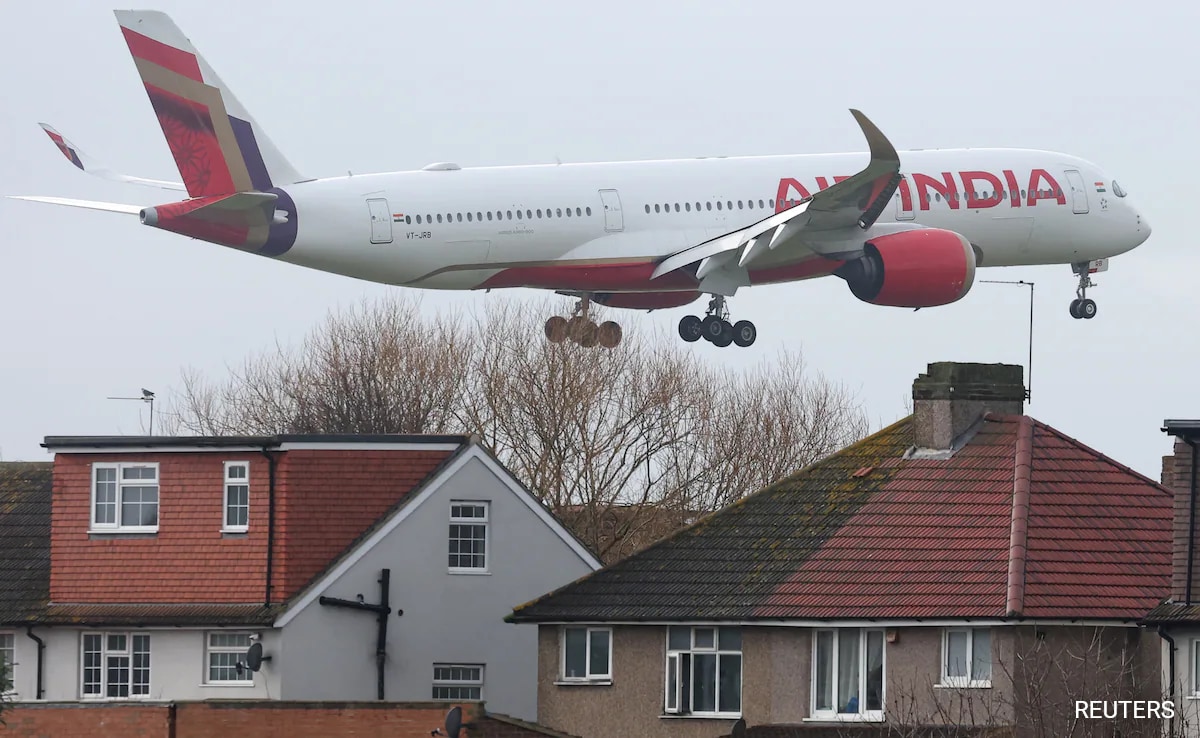

Air India Faces New Challenges as Pakistan Airspace Ban Alters Flight Operations
New Delhi – In a significant development for India’s aviation sector, the country’s civil aviation regulator, the Directorate General of Civil Aviation (DGCA), has granted Air India a temporary exemption allowing for the extension of maximum duty hours and rest periods for pilots. This decision is a direct response to the recent ban imposed by Pakistan on Indian carriers using its airspace, which arose amid escalating tensions between the two nations following a tragic attack on tourists in Kashmir. The exemption, confirmed through an internal memo, comes into effect starting April 30 and will be applicable for a two-week period, primarily focusing on long-haul flights to the United States.
The ongoing airspace ban has put significant pressure on Indian airlines, compelling them to rethink operational strategies and adapt to unforeseen challenges. In light of these developments, Air India anticipates increased operational costs, with estimates suggesting an impact of around $600 million should the ban extend for a full year. The Indian government is under pressure to intervene and provide compensation to support the airline during this tumultuous period.
As reported by various sources, the exemption increases the maximum flight duty period for pilots. For flights that fall within the 12-hour range, the maximum duty period has been raised from 14 hours to 16 hours. Furthermore, for longer flights exceeding 14 hours, pilots can now operate for up to 24 hours instead of the previously stipulated 22 hours. Alongside this adjustment, additional rest periods have been implemented to offer pilots and cabin crew some respite during layovers and at their home base.
However, concerns are mounting among the aviation workforce regarding the potential implications of these extended duty hours. Many pilots within Air India have expressed their apprehension, labeling the measures as “extreme.” The DGCA is reportedly engaged in ongoing discussions with various airlines to ensure that the well-being of pilots and cabin crew remains paramount and that they are not overburdened during these unprecedented times.
While the DGCA has taken steps to accommodate the operational needs of Air India, the situation continues to evolve, and industry experts are closely monitoring the developments. The potential for longer flight durations could usher in a new era of operational challenges for Indian airlines, particularly as air travel within the country witnesses an upward trajectory, with more passengers taking to the skies than ever before.
Extended Duty Hours: A Double-Edged Sword?
The adjustments to flight duty periods have stirred a mix of reactions within the pilot community. Some are apprehensive about the implications of extended duty hours on safety and fatigue management. Pilots play a crucial role in ensuring passenger safety, and any increase in their workload could have ramifications not only for those in the cockpit but also for the passengers relying on them.
As industry experts note, regulatory bodies must tread carefully in balancing operational needs and safety standards. The aviation industry operates on stringent protocols, and many advocates argue that compromising on these could lead to adverse outcomes. The DGCA’s proactive engagement with airlines indicates an awareness of these concerns, and it remains to be seen how effectively they can manage the situation moving forward.
While the airspace ban places substantial pressure on Air India, the wider implications for the Indian airline industry are yet to be fully realized. Airlines that are already navigating an environment of rising fuel costs and increasing operational complexities may soon find themselves facing more challenges as they adjust to new procedures necessitated by the ongoing geopolitical strife.
For more information on how airlines like Air India are coping with airspace restrictions, you can read more on[Aviation Week](https://www.aviationweek.com/).
In light of the pressing situation, Air India has reached out to the federal government with requests for assistance. As part of their strategy, they are advocating for financial compensation to offset the losses incurred as a result of this airspace disruption. The outcome of these discussions with the government will be pivotal in determining the airline’s financial resilience in the ensuing months.
Government Support on the Horizon?
Ongoing dialogue between Air India and the Indian government has raised hopes for potential financial support tailored to bolster the airline through this challenging phase. Industry analysts are suggesting that government intervention could play a critical role in enabling the airline to navigate the heightened operational costs effectively.
As per the report by Reuters, the stakes are high; prolonged restrictions on air travel could significantly reshape the competitive landscape of the airline industry in India. The prospect of substantial financial losses could have a ripple effect on employment, operational efficiency, and customer service standards across the board.
Critics have called for clearer communication from the regulatory bodies regarding the temporary measures, as transparency will be vital in restoring pilot confidence in the system. It is essential for the DGCA to work collaboratively with airlines to ensure all stakeholders are informed of any adjustments and their implications.
As Air India adapts to these unprecedented developments, the resilience of the airline and the aviation industry at large will be tested. The coming weeks will be particularly crucial as passengers and industry insiders alike watch how effectively the airline can navigate these challenges, all while ensuring the highest standards of safety and service.
In addition to internal adjustments and potential government support, the broader context of international aviation regulations will influence Air India’s path forward. The airline’s operational strategies must remain flexible, as shifts in geopolitical landscapes can have immediate repercussions on air travel.
For continued insights on the evolving air travel landscape, be sure to visit our dedicated aviation section. You can also explore how related airlines are coping with similar challenges by checking out articles on[Flight Global](https://www.flightglobal.com/).
DISCLAIMER
We have taken every measure to ensure that the information in this article and on our social media platforms is accurate, verified, and obtained from reliable sources. For feedback or complaints, please contact us at info@hamslive.com.