



Worrisome Delays in Military Contracts Prompt an Urgent Call for Action
New Delhi—The Indian Air Force Chief, Air Chief Marshal Amar Preet Singh, has voiced significant concerns regarding the persistent delays in major defence procurement projects that could impact the nation’s military efficacy. During an official event, he expressed severe doubts about the timeliness and reliability of defence contracts, stating, “Many times, we know while signing contracts that those systems will never come. Timelines are a big issue. Not a single project I can think of is completed on time. Why should we promise something that cannot be achieved?”
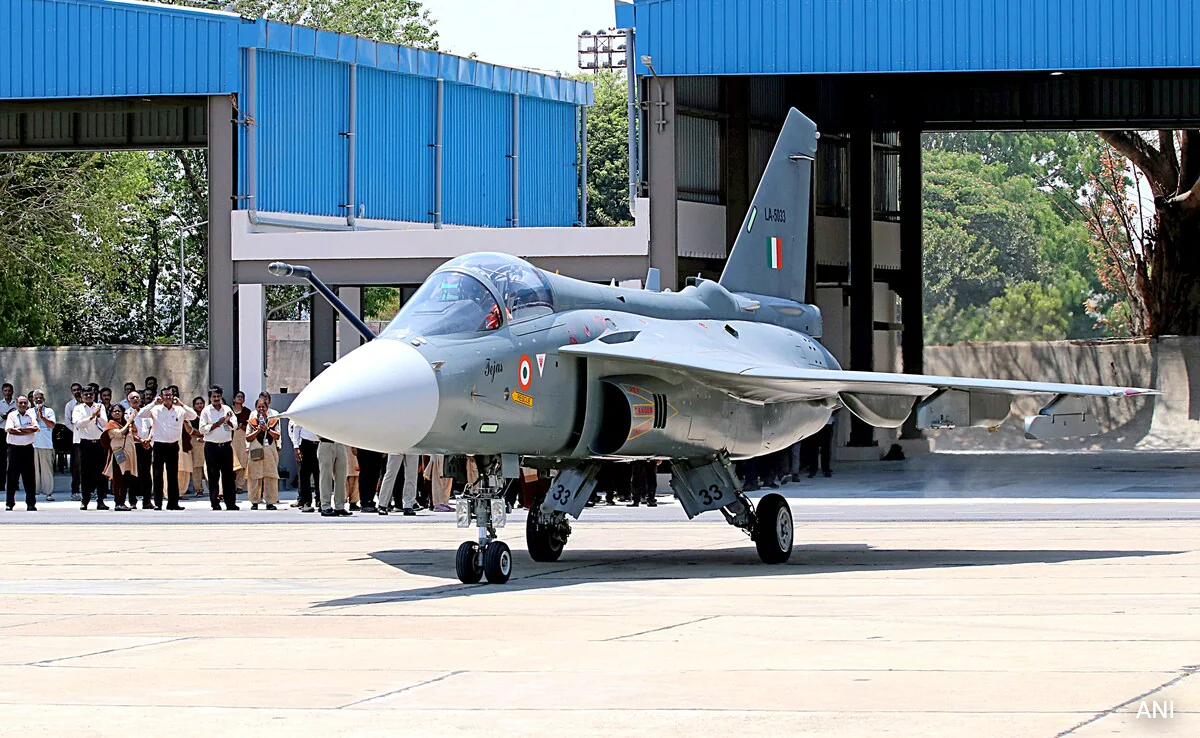
The Air Chief’s remarks come at a critical juncture as India strives to enhance its indigenous defence capabilities under the government’s ‘Atmanirbhar Bharat’ initiative. Specifically, he pointed to the crucial delays in the Light Combat Aircraft (LCA) programme—a pivotal project in India’s military aviation landscape. The contract for the Tejas Mk1A fighter jet, valued at a staggering ₹48,000 crore, was signed with Hindustan Aeronautics Limited (HAL) in February 2021. Yet, not a single one of the 83 ordered aircraft has been delivered, with the initial rollout slated for March 2024 having been missed.
Air Chief Marshal Singh highlighted that the problems extend beyond the Tejas Mk1A project, noting that the delivery timelines for several key defence projects have been consistently pushed back. He specifically mentioned the Tejas Mk1’s delays, the lack of a prototype for the Tejas Mk2, and an absence of a prototype for the cutting-edge stealth Advanced Medium Combat Aircraft (AMCA). Addressing the CII Annual Business Summit, which was also attended by Defence Minister Rajnath Singh, he underscored the need for immediate action to improve defence procurement cycles and streamline operations.
Highlighting the Need for Speed in Defence Readiness
The urgency of Air Chief Marshal Singh’s call for faster project completion is underscored by ongoing military operations and the evolving landscape of warfare technology. He alluded to India’s recent Operation Sindoor, which was launched on May 7 in retaliation for a devastating terror attack in Jammu and Kashmir’s Pahalgam that claimed the lives of 26 civilians. This operation, which resulted in the neutralization of over 100 terrorists, has been linked by Indian intelligence to the Pakistan-based terror group Lashkar-e-Taiba, along with elements within Pakistan’s military framework.
Citing Operation Sindoor, Air Chief Marshal Singh stated, “New technologies” are crucial for keeping India at an optimal operational readiness level. He remarked, “Operation Sindoor has given us a clear idea of where we are headed and what we need in the future.” This statement reflects a broader recognition that technological advancements are reshaping military strategies and operational needs.
The Air Chief emphasized the importance of industry and military collaboration, urging, “We cannot just talk about producing in India; we need to talk about designing. We need to have trust between the forces and industry. We need to be very open.” He expressed optimism for the future, stating, “In the next 10 years, we will see a significant output from our industry, but what we need, we need today. We need to quickly get our act together.”
Advocating for a Robust Defence Production Environment
The Air Chief’s remarks form part of a broader discourse on India’s defence production capabilities, and he stressed that empowering India’s armed forces with advanced equipment is essential for national security. “Wars are won by empowering our forces,” he noted, emphasizing that swift procurement processes and timely delivery of defence systems are integral to military preparedness.
Moreover, Air Chief Marshal Singh’s concerns are not new; he previously warned about the deficiencies in India’s defence production environment. Last October, shortly after assuming the role of Air Chief, he remarked on the setbacks India has faced in keeping pace with military technology, particularly in comparison to China. “As far as production rates are concerned, we are way behind. We need to catch up,” he stated candidly.
His candid observations about the state-owned Hindustan Aeronautics Limited (HAL) earlier this year also ignited debate; an accidental recording captured him criticizing HAL for various shortcomings. This incident cast a spotlight on the challenges facing India’s defence production, illustrating the growing urgency for more efficient practices and accountability in executing defence contracts.
Looking Ahead: Challenges and Opportunities
As India marches towards becoming a self-reliant defence powerhouse, the path is fraught with challenges and opportunities. The Air Chief’s clarion call brings to the forefront the pressing need for systemic changes to address inefficiencies in procurement and production processes. In this regard, the government’s commitment to indigenization and support for private industry participation in defence projects could pave the way for breakthroughs in military technology.
The AMCA project, which has recently been opened for private sector participation, signifies a pivotal step in this direction. “This is the kind of confidence that the nation has in private industry today, and I’m sure this is going to pave the way to bigger things coming in the future,” remarked Air Chief Marshal Singh, recognizing the role of collaborative efforts between public and private entities in shaping India’s defence landscape.
As per the report by The Times of India, the emphasis on faster timelines for project execution is backed by a growing recognition that technological advancement is critical for national security. The need for new ideas and innovative solutions must be cultivated within defence contracts to ensure timely delivery of effective and efficient military systems.
The discussions surrounding defence procurement raise fundamental questions about the long-term viability and sustainability of India’s defence manufacturing capabilities. Reliable timelines and transparency in project execution will be essential to build trust between the armed forces and the industries that serve them.
As India navigates these turbulent waters, the focus remains clear: the nation must enhance its defence preparedness to thrive in an unpredictable global environment, making it imperative to encourage collaboration across the board and expedite the path to self-sufficiency.
For more insights on India’s defence procurement challenges, visit our coverage on defence technology advancements and learn about the ongoing reforms in defence manufacturing policies. To read more about international military collaborations, refer to the details provided by U.S. Department of Defense and BBC News.
DISCLAIMER
We have taken every measure to ensure that the information in this article and on our social media platforms is accurate, verified, and obtained from reliable sources. For feedback or complaints, please contact us at info@hamslive.com.