


Probe Expands in Jammu and Kashmir: Key Developments in the Terror Attack Investigation
In a significant move, the National Investigation Agency (NIA) is interrogating two terrorists currently imprisoned in Jammu concerning their involvement in the deadly Rajouri attack that took place earlier this year. This incident left a troubling mark, as seven innocent civilians, including two children, lost their lives due to acts of terrorism, compounded by an IED explosion that followed the initial attack. The investigation, which has garnered extensive media attention, seeks to uncover the complete intricacies behind these assaults.
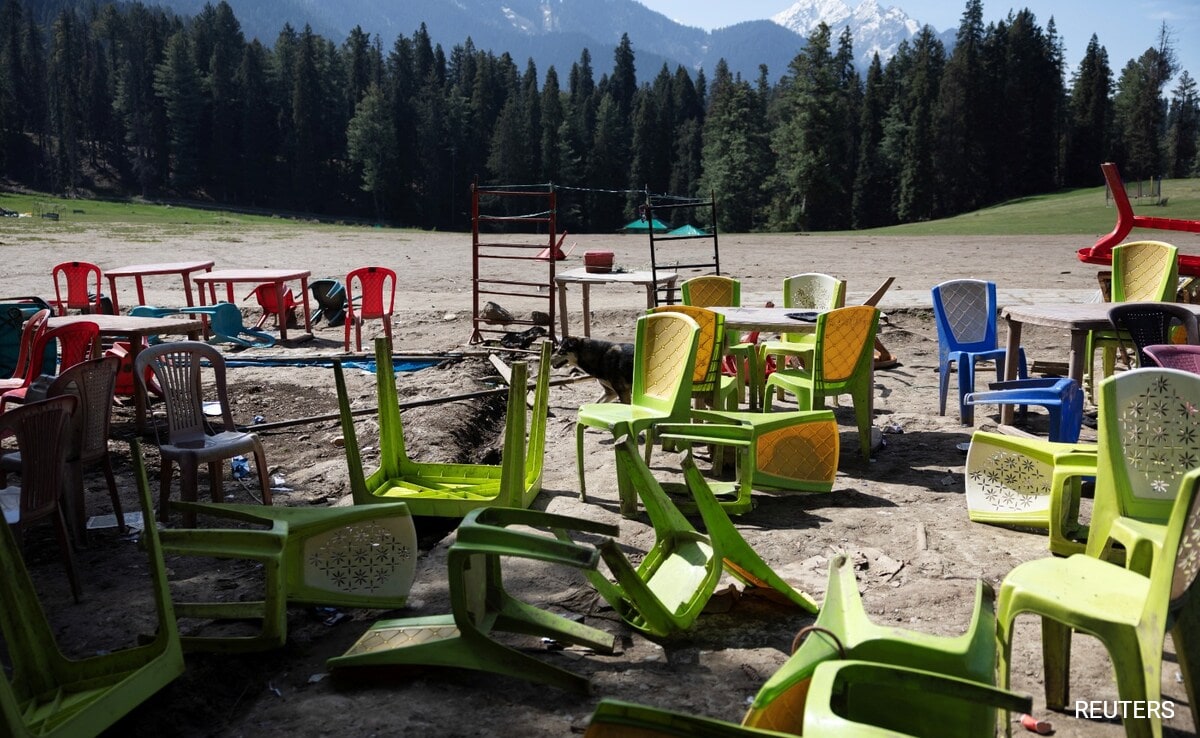
The two detainees, identified as Mushtaq and Nisar, have been in custody since April 2023. They are being scrutinized for their potential role in another devastating attack that occurred on April 22, 2023, in Pahalgam, where 26 civilians tragically lost their lives. This renewed focus on the pair indicates a strategic effort by the authorities to piece together events that have rocked the region and instilled fear among its inhabitants.
The NIA’s latest probe marks a pivotal step in addressing ongoing security concerns in Jammu and Kashmir, as this investigation expands its focus to border areas including Machil, Keran, Nowgam, Baramulla, and Uri. These locations are considered significant due to the persistent threat of infiltration from Pakistan and the belief that they may harbor terrorist hideouts.
Intensified Security Measures and Public Safety Actions
As per internal sources from intelligence agencies, the Jammu and Kashmir Police have ramped up their operations under the Public Safety Act. Over the past two days alone, more than 100 individuals have reportedly been detained, reflecting one of the most comprehensive crackdowns seen since the controversial abrogation of Article 370 in 2019. This move indicates an aggressive stance towards maintaining law and order amidst rising tensions and threats of terrorism.
The NIA officially took charge of investigating the Pahalgam terror attack on April 27, shortly after the incident. In the weeks following, the agency has deployed multiple teams across various locations, actively gathering evidence and interviewing witnesses. They have also reached out to victims’ relatives across several states, including Maharashtra, Odisha, and West Bengal, highlighting the widespread impact and connectivity of this terror crisis.
Initial assessments following the Pahalgam attack suggest that a group of five to seven terrorists might have been involved, underscoring the potential complexity and coordination behind the assault. Notably, it has been revealed that local militants, having received training in Pakistan, may have aided the assailants, which raises troubling questions about cross-border terrorism and its implications for regional security.
Political and Strategic Ramifications
In the wake of these horrifying attacks, The Resistance Front (TRF)—which is linked to the notorious Lashkar-e-Taiba (LeT)—claimed responsibility for the Pahalgam assault. This prompted the Indian government to implement a series of retaliatory measures against Pakistan, which are perceived as necessary steps in the fight against state-sponsored terrorism. Notable actions included suspending the Indus Waters Treaty, closing the Wagah-Attari border post, restricting air traffic to and from Pakistan, and blocking the social media accounts of Pakistani entities.
Prime Minister Narendra Modi has extended a firm commitment to provide “full operational freedom” to the Indian Armed Forces, empowering them to decide the “mode, targets, and timing” of any potential responses to terrorism. This pledge to deliver a “crushing blow” to terror activities emphasizes the government’s resolve to combat violence and protect civilian lives.
The reality of the situation remains tense, as evidence of post-to-post small arms fire between Indian and Pakistani troops along the Line of Control (LoC) continues for the ninth consecutive night. The ongoing exchanges underscore the fragility of the ceasefire and the constant threat to civilians residing in these bordering areas, intensifying fears of an escalation in violence.
Community Impact and Global Awareness
This series of tragic events has not only shaken the local populace but has also drawn international attention to the ongoing strife and violence in Jammu and Kashmir. Communities that have long suffered from the repercussions of terrorist activities now face an uncertain future, laden with fear and anxiety. Local organizations and advocacy groups are raising alarms, calling for increased rehabilitation efforts and support for the victims and their families.
As per the report by The Hindu, there are ongoing discussions regarding possible peace initiatives and dialogue with local communities to address the root causes of terrorism and foster greater stability in the region. A concerted effort across various sectors, including governmental, non-governmental, and civil society organizations, is essential to create a safer environment.
Looking ahead, the investigations by the NIA are projected to continue for the foreseeable future. With the agency’s expanded scope targeting potential infiltration routes and terrorist hideouts, the hope is to bring justice to the victims and their families while also reinforcing national security strategies against terror threats.
In summation, the investigation into the 2023 Rajouri attack and its connection to the broader context of terrorism in Jammu and Kashmir remains a pressing issue. As the NIA continues its work, the impact of violence on communities and the intricate political responses play a critical role in shaping future actions against terrorism.
For more in-depth coverage on the security situation in Jammu and Kashmir, explore our articles on the current security dynamics and government responses to terrorism.
DISCLAIMER
We have taken every measure to ensure that the information in this article and on our social media platforms is accurate, verified, and obtained from reliable sources. For feedback or complaints, please contact us at info@hamslive.com.