


Legal Intervention Offers Temporary Relief to Ahmed Tariq Butt and Family
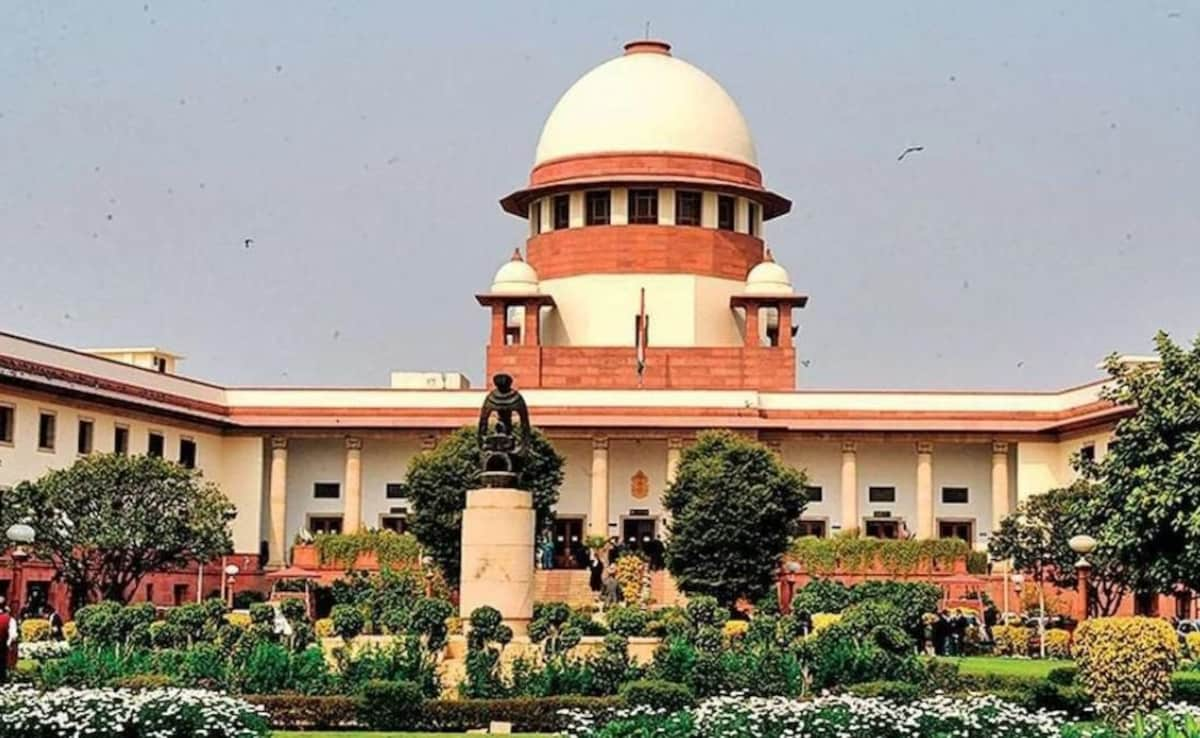
In a significant legal event, the Supreme Court of India has intervened to stay the deportation of Ahmed Tariq Butt, an employee at Accenture, along with his family. This decision comes against the backdrop of increased diplomatic tensions stemming from the recent terror attack in Pahalgam, Kashmir. The Indian Government has initiated stringent measures affecting Pakistani nationals, leading to concerns about the legal rights of individuals holding Indian citizenship but of Pakistani descent. The court’s decision provides a temporary respite for Mr. Butt and his family, who assert their Indian citizenship despite government orders that suggest otherwise.
Mr. Butt, who has lived in India since 1997, claims he and his family possess valid Indian passports and Aadhaar cards, and he approached the Supreme Court after being directed to leave the country. The court has mandated that no coercive action be taken against him until a detailed verification of his documents is conducted. The significance of this ruling extends beyond Mr. Butt’s case, serving as a potentially precedent-setting decision regarding the treatment of Indian nationals in the current political climate.
The legal journey for Ahmed Tariq Butt began when he was informed, along with his family, that they were to be deported amidst escalating diplomatic tensions. This order came shortly after the Pahalgam attack, wherein terrorists from the Pakistan-based group Lashkar-e-Taiba murdered 26 civilians, catalyzing a robust governmental response. The Supreme Court’s hearing centered around the validity of the Butt family’s citizenship and the potential implications of the government’s broad-sweeping measures against Pakistani nationals.
The Who, What, Where, When, Why, and How of the Case
Who: The case involves Ahmed Tariq Butt, an Accenture employee based in Bengaluru, along with his family, all of whom claim Indian citizenship.
What: The Supreme Court intervened to halt the deportation of Butt and his family amid tensions following a recent terror attack in Pahalgam, Kashmir.
Where: The events are set primarily in New Delhi, where the Supreme Court is located, while the Butt family resides in Bengaluru.
When: The Supreme Court’s decision transpired after the government initiated mass deportations against Pakistani nationals amidst heightened tensions in late October 2023.
Why: The Indian government has tightened its immigration policies and ramped up deportations in the aftermath of the Pahalgam attack, a significant terrorist incident that has created palpable fears among Indian nationals with Pakistani connections.
How: Ahmed Tariq Butt presented his case to the Supreme Court, arguing against the validity of the government’s deportation orders and seeking protection for himself and his family until their citizenship could be confirmed.
Mr. Butt’s submission to the court revealed a compelling narrative of his family’s migration history. He recounted his arrival in India in 1997 with his father, who held a Pakistani passport. Upon settling in Srinagar, Mr. Butt surrendered his Pakistani passport to the Jammu and Kashmir High Court, subsequently obtaining an Indian passport. Other family members joined him later, and each managed to secure their Indian citizenship. Despite possessing valid documentation, the family’s recent notice to leave the country has raised serious concerns regarding procedural fairness and citizenship rights.
The government’s actions are part of a broad clampdown on Pakistani nationals following the Pahalgam incident. Prime Minister Narendra Modi’s administration has enacted a series of retaliatory measures, including an indefinite suspension of visa issuance to Pak nationals. As part of these measures, the government has ordered aggressive identification of Pakistani nationals residing in India and is actively pursuing their deportation.
Government’s Crackdown on Pakistani Nationals
The relentless crackdown led by the Indian government stems from the attack, which has been described as one of the most devastating terrorist acts since the Pulwama tragedy in 2019. This latest incident has sparked fierce discussions around national security, leading to heightened tensions not only between India and Pakistan but also within the Indian community at large. Questions about the treatment and rights of Indian nationals from Pakistani heritage are becoming increasingly pertinent, especially as stories like that of Mr. Butt surface.
The government’s current stance includes a comprehensive review of visas and a directive aimed at expediting the deportation of certain individuals. There are concerns that the measures being implemented are overly broad and could potentially impact those who have lived in India for decades, which raises significant legal and ethical questions.
The situation has invoked a sense of urgency regarding civic rights and legal protections, with many advocating for a nuanced approach that accounts for individual circumstances. As per the report by The Hindu, the Supreme Court is directing authorities to conduct thorough verifications of claims to citizenship, emphasizing the need for a fair process.
The Road Ahead for Ahmed Tariq Butt
Looking ahead, Ahmed Tariq Butt is expected to engage further with legal systems to secure his family’s citizenship status. Mr. Butt has been advised to approach the high court for additional relief, underscoring the complexities of navigating citizenship within such charged political environments.
Meanwhile, secondary implications of the Supreme Court’s ruling could lead to further scrutiny of governmental procedures surrounding immigration and citizenship verification. With continued public discourse surrounding national security and civil liberties, this case not only highlights individual struggles but also reflects broader societal challenges regarding identity, belonging, and the rule of law in a rapidly changing geopolitical landscape.
The situation remains dynamic, and all eyes will be on the judiciary as it deliberates on rights and protections for those affected by these sweeping government measures. This case serves as a pivotal moment, one that may redefine the boundaries of national security and personal rights in India today.
For more on the implications of the Pahalgam attack and ongoing shifts in governmental policies, check out our detailed coverage on NDTV and Hindustan Times.
DISCLAIMER
We have taken every measure to ensure that the information in this article and on our social media platforms is accurate, verified, and obtained from reliable sources. For feedback or complaints, please contact us at info@hamslive.com.