



India’s Political Landscape Shifts as Caste Census Introduced
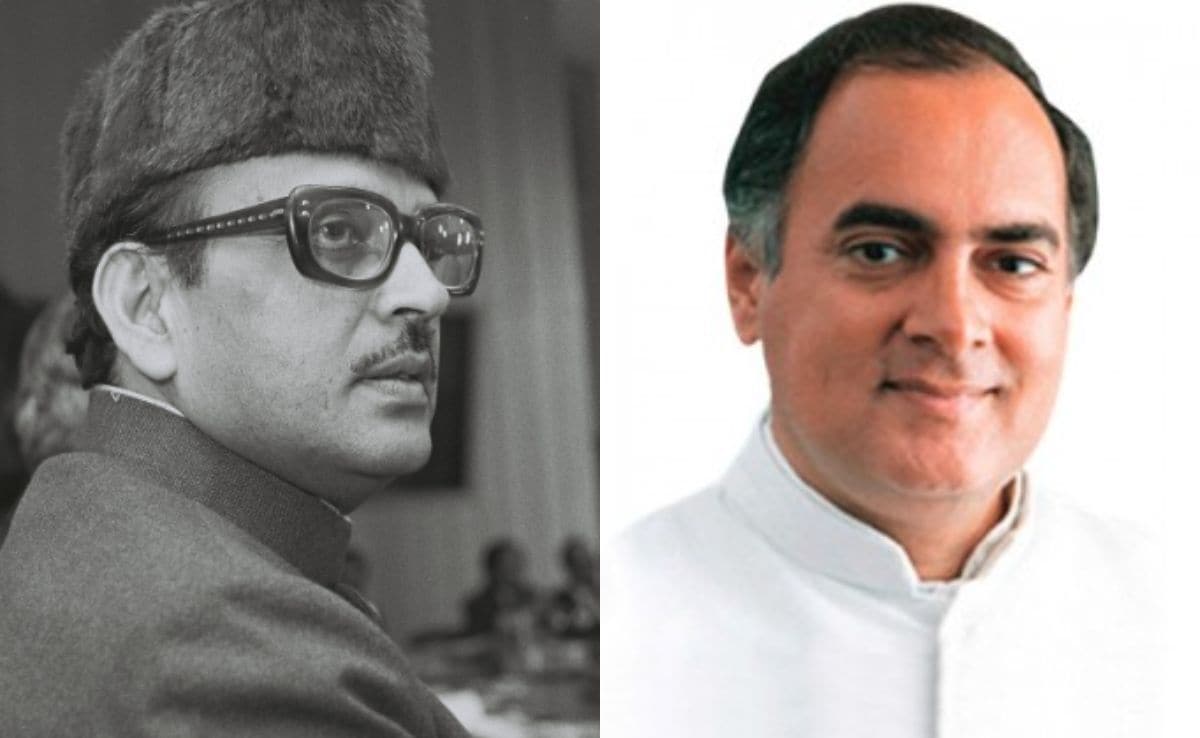
In a pivotal moment for the Indian political landscape, the Narendra Modi government has confirmed that caste data will be included in the upcoming Census as part of its affirmative action strategy. This announcement, made on April 30, 2025, is intended to uplift the backward sections of society. Following the announcement, Congress MP Rahul Gandhi claimed responsibility for pressuring the government into this significant decision, starkly contrasting with his father, Rajiv Gandhi’s vehement opposition to the Mandal Commission’s recommendations back in 1990.
This juxtaposition encapsulates an ongoing struggle within Indian politics regarding caste-based reservation, a topic that incites fierce debate and varying perspectives. The Mandal Commission’s recommendations were aimed at providing 27 percent reservation for Other Backward Classes (OBCs), pushing the overall reservation to a staggering 49.5 percent. Rajiv Gandhi, then the Leader of the Opposition, strongly opposed these measures during a time when the political fabric of the nation was fraught with tension amidst rising violence and communal strife.
The current government’s decision comes in the wake of a tragic terror attack in Jammu and Kashmir, highlighting the underlying tensions in the region. As the nation reflects on the parallels between the situations of 1990 and 2025, Rajiv Gandhi’s arguments against the Mandal Commission’s recommendations take on renewed relevance.
A Historical Context: The Mandal Commission Debate
The Mandal Commission was established in 1978 to identify socially and educationally backward classes and recommend measures for their upliftment. Headed by BP Mandal, the commission submitted its report in 1980, but it lingered in political limbo for nearly a decade. Following the assassination of Indira Gandhi in 1984, her son Rajiv Gandhi took over as Prime Minister but did not act on the commission’s recommendations. The political tide shifted in 1989 when VP Singh assumed power, relying on a coalition that included leftist parties and the BJP, leading to the implementation of the Mandal recommendations in 1990.
This move led to widespread protests, with Rajiv Goswami, a student, becoming the face of the anti-reservation agitation after self-immolating in protest. His tragic act underscored the deep societal divides exacerbated by the reservation policy. Subsequent attempts by the Congress-led UPA government in 2006 to expand reservations in premier educational institutions rekindled these tensions, reflecting an evolving yet contentious political narrative.
As per the report by[NDTV](https://www.ndtv.com), the recent government decision resonates deeply with historical grievances and the challenging dynamics of caste in India. The BJP had previously aligned itself with the creamy layer argument, advocating for a more inclusive and balanced reservation policy but has since adapted its stance to align with prevailing electoral strategies.
Rajiv Gandhi’s Opposition: A Forward-Looking Perspective
During his famous Lok Sabha speech on September 6, 1990, Rajiv Gandhi argued that the timing of the Mandal Commission’s implementation was inappropriate, given the national security challenges, particularly in Kashmir. He eloquently stated, “This is a time when the nation is going through a number of very serious, perhaps even severe problems.” This argument echoes contemporary sentiments, as India faces similar tensions today.
Rajiv Gandhi emphasized the need for a more comprehensive action plan for affirmative action that transcended mere caste considerations. He articulated concerns about the potential for perceived privilege within backward communities, questioning whether individuals in influential positions should benefit from reservations. His poignant arguments about the need for a focused approach that merged caste metrics with socio-economic status remain relevant in the current discourse regarding the caste census.
His questioning of the absence of reservation benefits for backward sections within minority communities further highlights a nuanced understanding of socio-economic disparities. Today’s political discourse continues to grapple with these complexities, urging policymakers to consider the broader implications of caste-based reservation schemes.
The Current Political Landscape: Rahul Gandhi’s Claim and the BJP’s Strategy
Fast forward to 2025, Rahul Gandhi, while lauding the caste census initiative, asserts that this move is among his party’s victories, reflecting a significant shift in Congress’s strategy. Despite the evident contradictions between his stance and his father’s legacy, Rahul has leveraged this moment to reclaim relevance for the Congress party amidst the prevailing political turbulence.
On the other hand, the BJP aims to consolidate its position by addressing concerns regarding OBC representation, a strategy reinforced by recent electoral challenges and the necessity to appeal to various caste demographics. The party’s previous antagonism towards reservations has transformed into a more pragmatic approach, seeking to address voters’ diverse aspirations.
Political analysts have noted that the upcoming Bihar elections could be a critical test of how these caste dynamics will play out, and the BJP’s commitment to the caste census might be a calculated move aimed at gaining favor among OBCs—an essential voting bloc.
Moreover, the growing alliance between Congress and regional parties like the RJD and SP reflects a strategic maneuver to consolidate anti-BJP sentiments while pushing for a more inclusive reservation policy.
Final Thoughts: Caste Politics in the Evolving Democratic Framework
As debates surrounding reservations and caste dynamics intensify in India, the historical context provided by figures like Rajiv Gandhi continues to challenge contemporary political narratives. The dichotomy of his opposition to caste-based reservations juxtaposed against Rahul Gandhi’s endorsement of the caste census illustrates the fluidity of political ideologies within the realm of Indian politics.
The impact of caste dynamics on electoral strategies, societal cohesion, and policy-making remains profound. With the BJP navigating the complexities of caste arithmetic while the Congress seeks to reclaim its historical significance, the future trajectory of India’s reservation policies will significantly influence its democratic framework.
For further insights into the implications of caste-based policies on society, visit[The Hindu](https://www.thehindu.com) and[Indian Express](https://indianexpress.com).
DISCLAIMER
We have taken every measure to ensure that the information in this article and on our social media platforms is accurate, verified, and obtained from reliable sources. For feedback or complaints, please contact us at info@hamslive.com.