

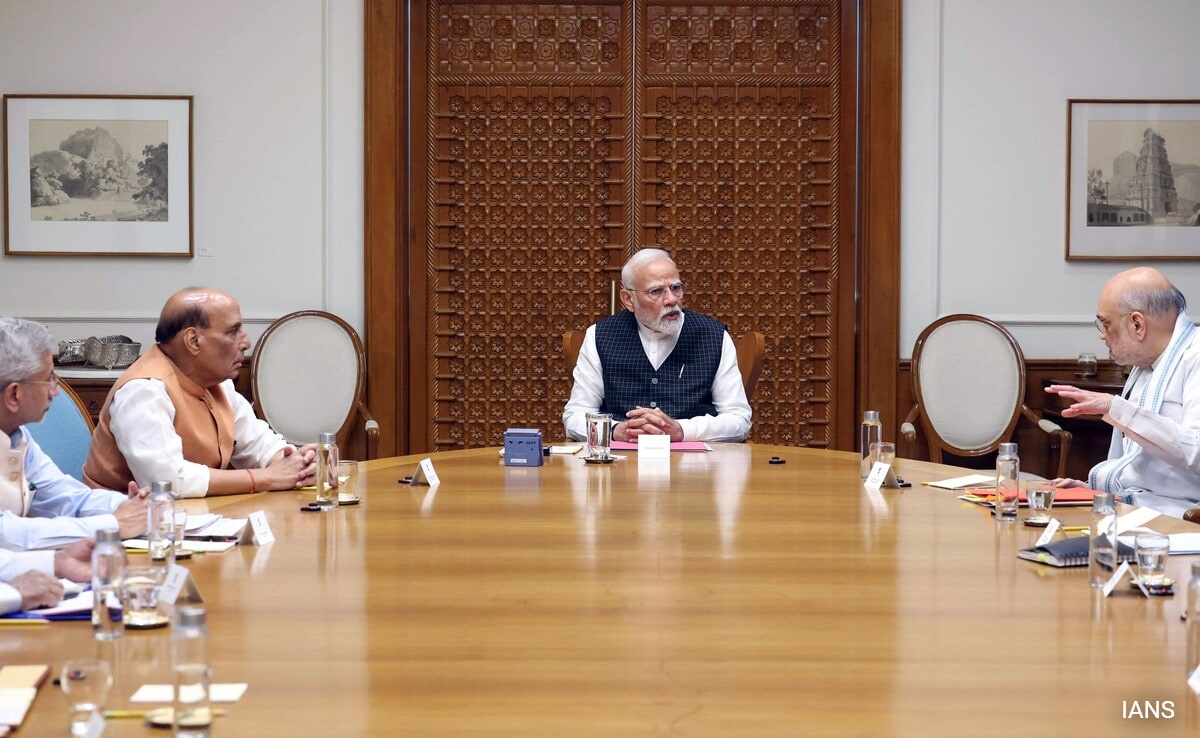


New Delhi, India: In response to the devastating terror attack in Pahalgam that claimed 26 lives, Prime Minister Narendra Modi convened a series of crucial meetings with top ministers to formulate a robust strategy against state-sponsored terrorism from Pakistan. As the nation mourns, political leaders are calling for collective action to enforce security and bolster the sentiment of unity among its citizens.
What Happened? Who Was Involved? Where and Why?
The meetings took place after the Pahalgam terror attack that occurred on April 22, 2025, targeting tourists in the scenic Jammu and Kashmir region. The Cabinet Committee on Security (CCS), chaired by PM Modi, convened for the second time following the attack to discuss the implications and the necessary policy responses, particularly focusing on the overarching challenge of terrorism.
The discussions among key political figures were intense and centered on the urgent need for a cohesive approach to address the threats posed by such attacks, as well as the cross-border linkages that facilitate these acts of violence. The CCS, during its first meeting, already took significant steps including a resolution to suspend the Indus Waters Treaty with Pakistan. This decision is part of a larger strategy aimed at pressuring Pakistan to act against terrorism emanating from its soil.
Following the CCS meeting, the Cabinet Committee on Political Affairs (CCPA) convened to deliberate on the Opposition’s demand for a special parliamentary session dedicated to the Pahalgam incident. Opposition leaders, including Mallikarjun Kharge and Rahul Gandhi, have expressed the urgency for such discussions to consolidate national resolve against terrorism.
When and How Did the Government Respond?
The Indian government has been swift in its response, conducting the first CCS meeting just a day after the attack. Officials briefing the committee highlighted the need to understand the operational networks supporting terrorism, especially in light of the success of recent elections in Jammu and Kashmir—a sign of the region’s return to normalcy that some terrorist factions are actively attempting to disrupt.
Local protests erupted following the attack, where residents denounced the targeting of tourists, viewing it as a deliberate attempt to hinder the region’s economic growth. Despite the tensions, however, many tourists have chosen to continue with their travel plans. Travelers like Keval Patel from Ahmedabad shared their experiences, reassuring that their trips feel safe despite the recent events.
In the wake of these developments, PM Modi reaffirmed the government’s unwavering commitment to combat terrorism decisively. His confidence in the Indian armed forces was clear, as he assured ministers that there would be no tolerance for such acts of violence.
Political Landscape and Public Sentiment
The discussions among the ministers reflect a broader sentiment within the Indian political landscape, which is determined to present a united front against terrorism. The PM’s meetings aim not only to craft an assertive response but also to maintain public trust and resilience in the face of such tragedies.
The meetings called by PM Modi also serve to consolidate the government’s internal strategy while countering external pressures. The immediate action of suspending the Indus Waters Treaty showcases a strategic measure that symbolizes India’s readiness to exert diplomatic and economic pressure on Pakistan.
As per the report by NDTV, the focus remains on a multifaceted strategy that encompasses military, diplomatic, and economic measures. The government is intent on fostering a sense of security and continuing to promote tourism as an essential part of Kashmir’s economy.
Tourism Perspectives Amid Crisis
Interestingly, while the attack was a significant blow to local sentiments and safety perceptions, many tourists still view Pahalgam as a safe destination. Despite apprehensions, reports have indicated that visitors remain optimistic about their travels. Restaurant owners and hoteliers are encouraging visitors to maintain their plans, emphasizing local hospitality and security.
The dual perspective highlights the resilience of both the local populace and tourists who refuse to let fear dictate their experiences. “We are in Pahalgam, and everything feels safe,” commented Keval Patel, illustrating the cautious optimism that many travelers share.
This tumultuous period for Jammu and Kashmir necessitates a concerted effort from both the state and central governments in addressing security concerns while simultaneously promoting peace and economic stability through tourism.
Looking Ahead: Policy Implications and Future Measures
The recent cabinet meetings signal a pivotal moment in India’s approach to security and counter-terrorism. Policymakers are likely to take a harder stance against any external threats and bolster local support systems to provide comprehensive security.
As discussions continue in Parliament, and as the nation reflects on the loss of innocent lives, the urgency for resilience and strategic action against terrorism grows ever more critical. The government’s ongoing efforts will be pivotal in determining not just the immediate responses to terrorist activities, but the long-term stability and prosperity of Jammu and Kashmir as a region.
For ongoing updates and related reports, you can read more on NDTV or follow our coverage on the evolving situation in Jammu and Kashmir.
DISCLAIMER
We have taken every measure to ensure that the information in this article and on our social media platforms is accurate, verified, and obtained from reliable sources. For feedback or complaints, please contact us at info@hamslive.com.