



New Delhi: An Alarming Call to Action Amidst Judicial Scandals
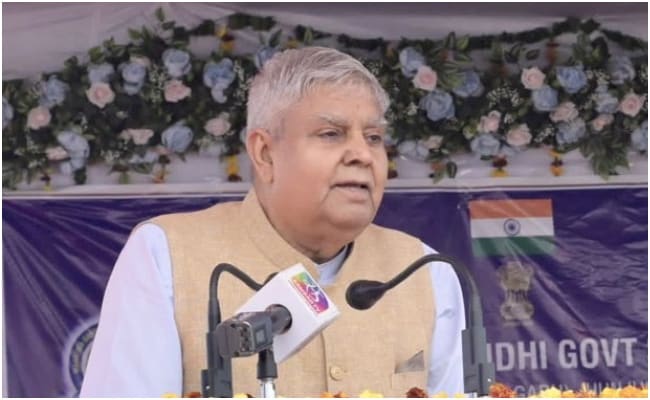
A recent scandal involving the alleged recovery of a significant amount of cash from the residence of a sitting judge of the Delhi High Court has sparked outrage, leading to urgent calls for increased judicial accountability. The issue was raised in the Rajya Sabha on Friday, where Chairman Jagdeep Dhankhar expressed his commitment to implementing a structured discussion to address this disturbing incident. This event underscores concerns not just about the integrity of the judiciary but also about the broader implications of judicial corruption in India.
The incident came to light when Congress MP Jairam Ramesh highlighted the shocking discovery during the morning session of the Rajya Sabha. He drew attention to the larger conversation around judicial accountability and the pending impeachment process concerning a judge of the Allahabad High Court. Ramesh emphasized, “This morning, we have read about a shocking case of huge amounts of cash unearthed at the residence of a judge of the Delhi High Court,” raising further questions about the ethical management of the judicial system in India.
In a system where transparency and integrity are paramount, incidents of this nature prompt widespread concern regarding the accountability of judges. As per the report by NDTV, Ramesh’s remarks established an urgent need for the government to come forth with a proposal aimed at boosting judicial accountability, especially given the sensitive nature of such allegations.
Judicial Breach: What It Means for India’s Justice System
The cash recovery incident has shaken the foundations of public trust in the judicial system. Chairman Dhankhar articulated this disquiet, noting that the delay in bringing such incidents to the surface is particularly troubling. “If such an incident was related to a politician, a bureaucrat, or an industrialist, the person concerned would have become a ‘target’ immediately,” Dhankhar said, calling for a systemic response that is both transparent and accountable.
Moreover, the situation escalated when Justice Yashwant Varma, the judge in question, did not hold court on that day, adding to the gravity of the allegations. The Supreme Court Collegium has reacted to the situation by deciding to transfer Justice Varma from the Delhi High Court back to his parent Allahabad High Court amidst these serious allegations.
This series of events emphasizes the necessity for judicial reforms that not only address individual misconduct but also establish comprehensive safeguards to protect the integrity of the judiciary as a whole. Current calls for increasing checks and balances are especially relevant in light of this scandal and other recent controversies regarding the judicial system in India.
A Call for Transparency and Reform
In the wake of the developments, Dhankhar has indicated his intentions to coordinate with both the Leader of the House and the Leader of the Opposition to facilitate a structured and thorough discussion on the matter. This initiative aims to streamline responses to similar incidents in the future, reinforcing the core principle of judicial integrity.
Addressing the impeachment matter, Dhankhar disclosed he had received a representation signed by 55 Rajya Sabha members. Echoing the gravity of the situation, he stated that he has already undertaken the necessary steps for verification from the signatories. “Most members responded positively, helping me perform my duty,” he noted, while urging those who haven’t yet responded to do so to avoid delays in the process.
This push towards accountability comes at a critical time. The public’s faith in the judicial system hinges not only on the integrity of its members but also on the perception that there are effective mechanisms to address misconduct. Such transparency is crucial in order to restore trust and uphold the rule of law.
Maintaining Judicial Integrity: The Role of the Government and Society
As the situation develops, the judicial system’s credibility hangs in the balance, making it imperative for the government to adopt robust policies that ensure accountability. The impact of these policies will extend beyond the current crisis, setting a precedent for handling future allegations against judicial officers.
While the focus remains on the specific case of Judge Varma, broader implications for the legal system must be addressed. Issues of accountability, integrity, and transparency should not just be buzzwords but form the bedrock of judicial practice across India. Recognizing that this scandal isn’t isolated, stakeholders must collectively advocate for reforms that promote ethical behavior among judges and prevent corruption.
As this high-stakes drama unfolds, the public’s response will play a vital role in shaping the discourse surrounding judicial accountability. Citizens can access more information on ongoing reforms and related issues through resources at[Supreme Court of India’s official site](https://sci.gov.in) and[India’s Ministry of Law and Justice](https://lawmin.gov.in).
In light of these developments, the Rajya Sabha’s commitment to ensuring that such issues are addressed promptly and efficiently is critical for upholding the integrity of the judiciary. Stakeholders must remain vigilant and engaged in discussions regarding judicial conduct and the necessary reforms to secure a system that is rightly trusted by the public it serves.
For ongoing coverage and updates about judicial accountability and related topics, tune into detailed discussions at[The Hindu](https://thehindu.com) and[NDTV](https://ndtv.com).
This scandal serves as a crucial reminder that judicial integrity is not just a matter of individual conduct but a collective responsibility that must be upheld, fostering a judicial environment that is both fair and accountable.
DISCLAIMER
We have taken every measure to ensure that the information in this article and on our social media platforms is accurate, verified, and obtained from reliable sources. For feedback or complaints, please contact us at info@hamslive.com.