


Kolkata Grieves and Demands Justice as Legal Proceedings Conclude
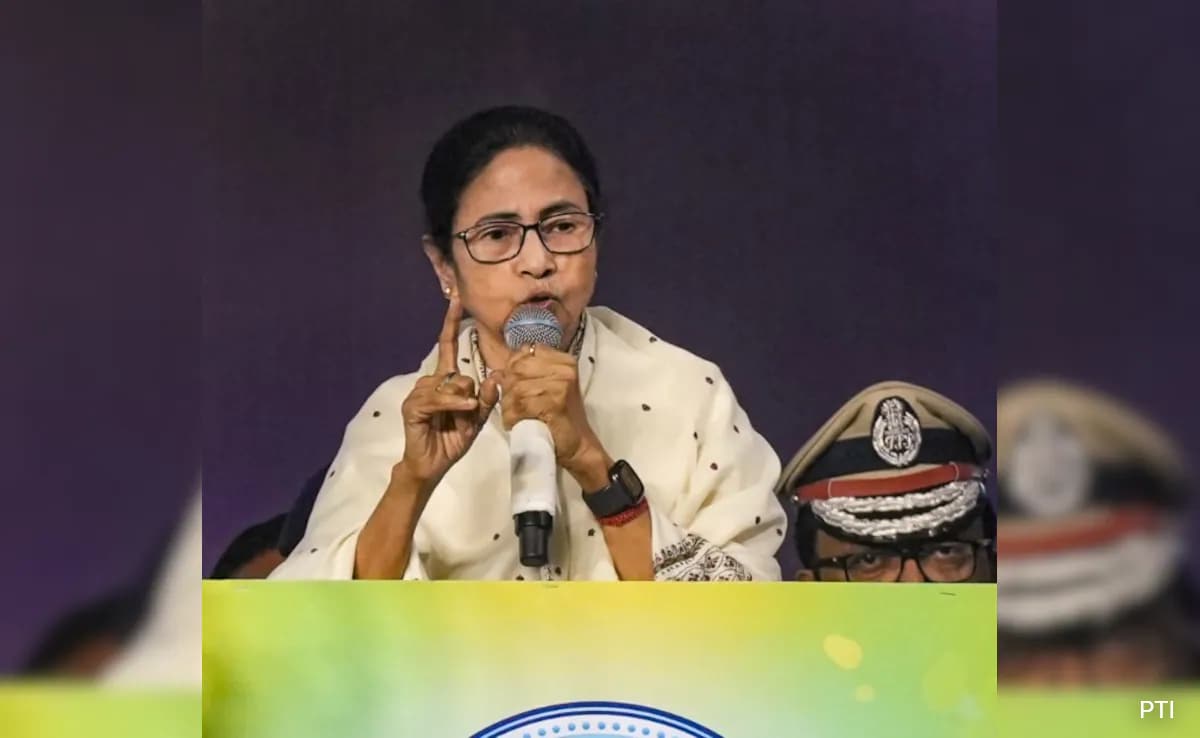
In the aftermath of the RG Kar rape and murder case, West Bengal Chief Minister Mamata Banerjee has voiced her discontent regarding the recent verdict. A city court in Kolkata sentenced Sanjay Roy, a civic volunteer, to life imprisonment today, but Banerjee expressed her belief that a harsher penalty should have been imposed. The Chief Minister stated that the Kolkata Police would have pursued the death penalty had the investigation not been transferred to the Central Bureau of Investigation (CBI). This pivotal case has drawn significant public attention and ignited debates regarding the efficacy of local law enforcement and judicial processes.
The crime, which occurred on August 9, involved the brutal rape and murder of a 34-year-old doctor at the RG Kar Medical College and Hospital. With widespread protests erupting across the nation, the incident raised serious questions about safety and justice in the state. Following mounting pressure, the Supreme Court intervened, transferring the case from state authorities to the CBI. The decision resulted in a highly scrutinized investigation and legal proceedings, which culminated in today’s sentencing.
In her statements, Banerjee lamented the loss of jurisdiction over the case, saying, “We demanded death penalty from Day 1. We demand it now too… If the case stayed with us, we would have ensured death penalty long back.” The Chief Minister indicated that her government had successfully pursued death penalties in three cases within a short span of 60 days, asserting that the local police would have achieved similar justice in this heartbreaking case.
Understanding the Context: The Crime, the Investigation, and the Verdict
The crime that shook Kolkata’s community was not just a singular incident of violence but rather a reflection of broader societal issues. Following the tragic event, outrage grew not only among medical professionals but also within the general public, leading to protests demanding accountability and justice. Amid allegations of a potential cover-up involving high-ranking officials in the state government, the Supreme Court’s intervention was pivotal in ensuring a thorough investigation.
The CBI’s involvement was hoped to bring forth transparency and justice; however, the outcome has left many dissatisfied. The court’s decision today to sentence Roy to life imprisonment raised eyebrows as the prosecution could not prove the crime fell under the ‘rarest of the rare’ category required for a death penalty. This nuance in legal proceedings has sparked debates about the standards for such severe penalties and highlighted the complexities of the Indian legal system.
As part of the sentencing, the court also mandated that the state provide Rs 17 lakh as financial assistance to the victim’s elderly parents. However, the parents expressed that they do not view this amount as compensation but rather seek true justice for their daughter. The presiding judge urged them to see the financial support as their legal entitlement rather than a settlement for their loss.
Public Sentiment and Ongoing Protests
The case has not only affected the immediate family but has also resonated throughout the medical community and beyond, with doctors in Kolkata leading protests against what they believe to be a concerted effort by the state government to shield individuals connected to the ruling party. The widespread outcry reflects a deep sense of injustice and calls for systemic change in how crimes against women are handled in the region.
In response to these allegations, Chief Minister Banerjee has taken a firm stance, dismissing claims of a cover-up and asserting the integrity of her administration. “I can share my party’s opinion,” she said, emphasizing her commitment to justice even as public sentiment against the ruling party grows louder. The narrative surrounding this case underscores the tensions between governance, law enforcement, and the expectations of the public for accountability.
The protests have continued, driven by a group of passionate doctors and activists who believe that the crime was not carried out by Roy alone. Their insistence on a broader investigation speaks to the larger issue of safety and justice for women in India, often echoed in many similar cases across the nation.
Moving Forward: Impacts on Policy and Society
The aftermath of the RG Kar case will likely have lasting implications for West Bengal’s policies on women’s safety and the judicial handling of similar cases. As more incidents of violence against women come to light, there is an urgent need for the government to bolster its commitment to ensuring justice. The legal ramifications of this case are expected to influence future law enforcement practices, as well as governmental policies related to education, awareness, and preventive measures against gender-based violence.
A deeper examination of this case and its societal repercussions may lead to more rigorous laws and initiatives aimed at protecting women and girls throughout India. The persistence of activists, protestors, and concerned citizens highlights the essential role of civil society in demanding change and fostering a culture of accountability among those in power.
In the wake of this tragic event, the call for justice remains loud and clear. The residents of Kolkata and advocates nationwide are watching closely as the struggle for accountability continues.