

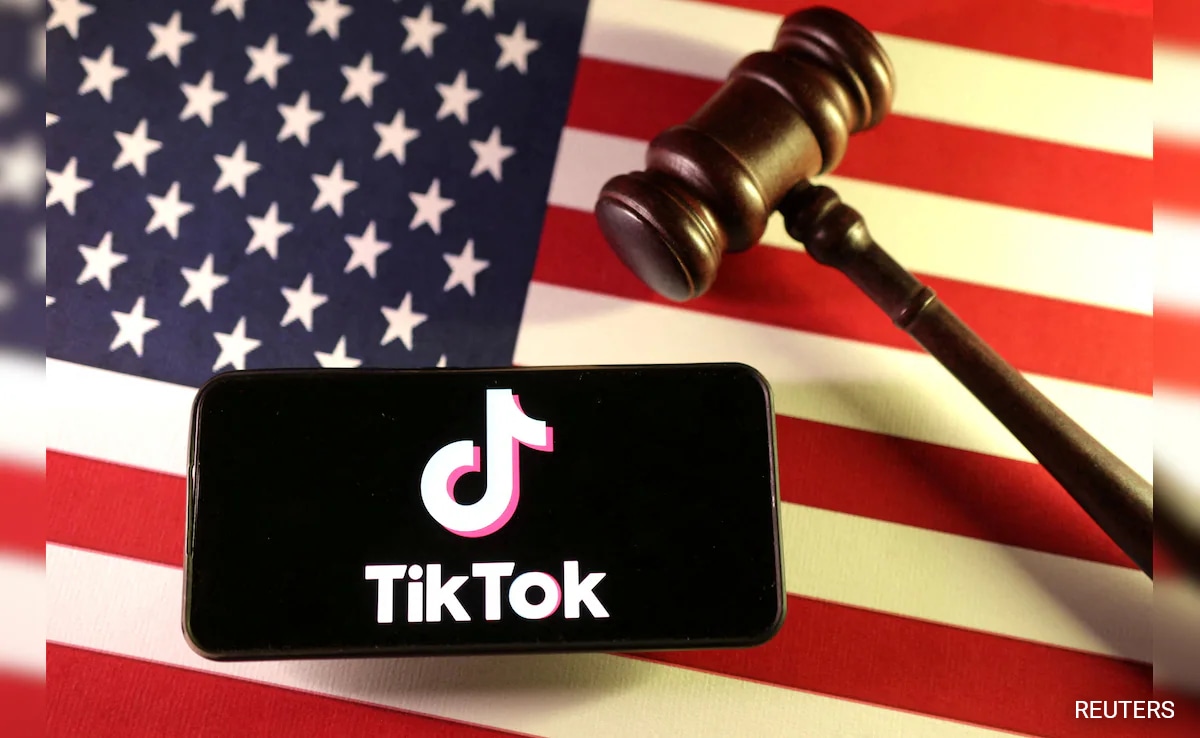


US Government Faces TikTok’s Ultimatum Amid Ongoing Legal Disputes
In a dramatic turn of events for the popular social media platform, TikTok has declared its intent to “go dark” in the United States as early as January 19 unless the government offers urgent assurances that a newly enacted law permitting its ban will not adversely affect service providers. This announcement comes in the wake of a recent Supreme Court ruling that upheld a law requiring TikTok’s parent company, ByteDance, to either divest its US operations or halt them entirely, effectively putting the app at risk of becoming unavailable to over 170 million American users.
The legal landscape has shifted rapidly since the Supreme Court’s unanimous decision, which found that the law does not infringe upon free speech rights. The court’s ruling was anchored in national security concerns regarding data collection practices by the Chinese-owned ByteDance, leading to a significant level of uncertainty regarding TikTok’s future in the United States. TikTok’s management has voiced frustration over the lack of clarity and assurance provided by the Biden Administration, stating, “Unless the Biden Administration immediately provides a definitive statement to satisfy the most critical service providers assuring non-enforcement, unfortunately TikTok will be forced to go dark on January 19.”
As TikTok’s deadline looms, the ramifications of potential service suspension could extend beyond mere inconvenience for users. The app has become a central hub for content creation, influencer marketing, and digital engagement, serving as a lifeline for many creators who rely on its distinct features to reach audiences. With alternatives such as Instagram Reels and YouTube Shorts on the horizon, creators and advertisers alike are left grappling with uncertainty as TikTok navigates the turbulent waters of US legislation and public sentiment.
Legal and Operational Implications for TikTok and Its Users
Insights from the Supreme Court ruling indicate a determined stance by Congress to alleviate perceived national security risks associated with TikTok’s data handling. The law stipulates that both Google and Apple must remove TikTok from their app stores, prohibiting new downloads while potentially imposing penalties of up to $5,000 per user for continued access. The question now is how these legal stipulations will be enforced and what measures TikTok will undertake in response.
Responding to the Court’s decision, TikTok’s CEO, Shou Chew, expressed gratitude towards former President Donald Trump for his willingness to collaborate on finding a viable solution. In an unexpected turn of events, Trump has publicly stated that he would require time to explore alternatives to the ban, acknowledging the unique position TikTok holds in the social media landscape. In a recent social media post, Trump noted, “The Supreme Court decision was expected, and everyone must respect it,” while hinting at a potential pivot away from the current course of action.
Further complicating matters, Trump’s incoming national security advisor, Mike Waltz, emphasized the administration’s commitment to work towards keeping TikTok operational in the US. He noted that the law allows for a 90-day delay if the administration could demonstrate progress toward a “viable deal,” a glimmer of hope for the app’s loyal user base.
Meanwhile, efforts are underway for potential acquisition deals, with former Los Angeles Dodgers owner Frank McCourt expressing interest in leading a buyout of TikTok’s US division. As negotiations unfold, TikTok’s future remains precarious, and influencers are voicing their concerns about the possible impacts on their livelihoods.
The Future of Content Creation and Influencer Marketing in Uncertain Times
As influencers and content creators brace for potential disruptions, they are acutely aware of the unique advantages that TikTok offers in comparison to its competitors. Nathan Espinoza, a TikTok creator with over 500,000 followers, noted, “Making videos and reaching people on TikTok is so much easier than a lot of other platforms.” The potential loss of TikTok not only poses risks to individual creators but also to the wider digital marketing landscape, with advertisers split between optimism and pessimism regarding TikTok’s future.
Courtney Spritzer, head of digital marketing agency Socialfly, captured the prevailing sentiment among creators: “TikTok creators are in great uncertainty,” highlighting the precariousness of their careers should the platform cease to function in the US. As a result, many have begun to explore alternatives and diversify their presence across various social media platforms, but the unique user engagement and viral potential that TikTok provides remain unmatched.
In the broader context of social media regulation, the ongoing saga surrounding TikTok underscores the need for comprehensive frameworks that address security concerns without stifling innovation and creativity. Refer to the related articles on regulatory challenges facing social media companies for further insights.
As TikTok grapples with this existential crisis, users and creators are left to contemplate a future that may lack the vibrant community and creativity that has flourished on the platform in recent years. The outcome of this protracted battle between TikTok and the US government will undoubtedly serve as a pivotal case study for how technology, governance, and individual expression intersect in the digital age.
For more on TikTok’s impact on social media and the ongoing debate surrounding data privacy in the tech industry, please check out these related articles: TikTok’s Role in Modern Marketing Strategies and The Evolution of Social Media Regulation.
For continuous updates related to this evolving story, refer to external sources such as the Washington Post and Reuters for credible news coverage. The unfolding situation reflects the increasingly complex relationship between technology firms and government oversight, raising questions about the future landscape of digital communication and user engagement.
While the clock ticks down to the January 19 deadline, all eyes are on the Biden Administration and TikTok’s management to see whether a last-minute resolution can be achieved. If not, the social media giant may find itself silenced in the US, leaving its vast network of users and creators grappling with the aftermath of a service disruption that could change the digital landscape irrevocably.