


Washington, D.C. Strikes a Historic Deal: What You Need to Know
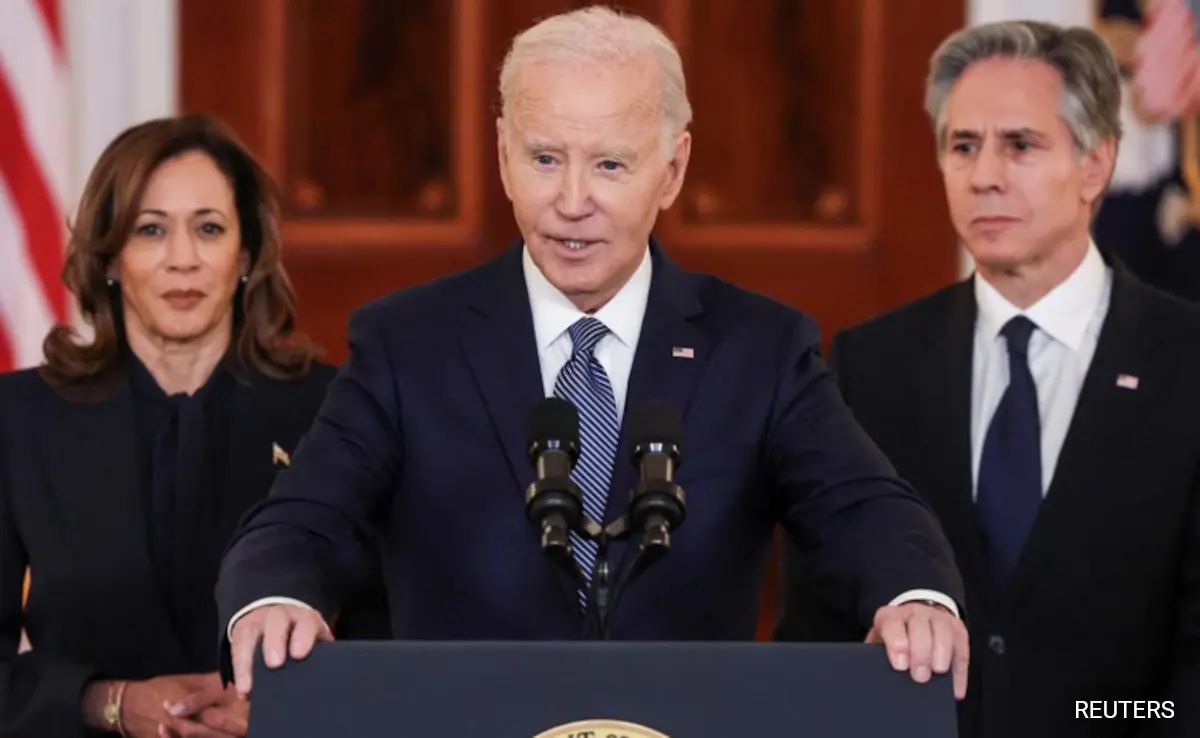
In an unprecedented announcement from the Oval Office, outgoing US President Joe Biden confirmed the negotiation of a groundbreaking ceasefire-for-hostages agreement between Israel and Hamas. This deal, which has been in the works for several months, effectively brings an end to over 15 months of intense conflict in the region. The multi-faceted agreement is organized into three distinct phases—each addressing critical elements of the conflict, including a complete ceasefire, the withdrawal of Israeli forces from Gaza, and the release of hostages, a significant number of whom are Americans.
President Biden emphasized that this momentous deal was formed through collaboration with various stakeholders—including an envoy from Donald Trump’s administration—and reflects a revised version of a proposal he initially presented back in May. “This plan was developed and negotiated by my team and will be largely implemented by the incoming administration,” Biden said during his farewell address on Wednesday evening, highlighting the continuity in diplomatic efforts.
Phase One: Ceasefire and Immediate Hostage Releases
The first phase of this detailed agreement is set to span six weeks and focuses on the establishment of a “full and complete ceasefire.” Biden elaborated that during this initial period, a number of hostages currently held by Hamas will be released in exchange for hundreds of Palestinian prisoners. Although specific figures regarding the exact number of hostages were not disclosed, Qatari Prime Minister Mohammed bin Abdulrahman bin Jassim Al Thani revealed that 33 hostages are likely to be released.
According to a report from the BBC, the initial exchange will see three hostages released immediately, with the remaining exchanges scheduled to occur progressively over the course of the six-week agreement. Furthermore, as part of this initial stage, Israeli forces are expected to withdraw from all populated areas of Gaza within the same timeframe, allowing displaced Palestinians to return to their homes. “The Palestinians will also return to their neighborhoods in all the areas of Gaza,” Biden specified, emphasizing the humanitarian aspect of the deal.
This phase is designed to endure as long as the negotiations are ongoing, meaning that if discussions extend beyond six weeks, the ceasefire can continue indefinitely. An essential element of this phase is the anticipated surge in humanitarian aid to Gaza, with hundreds of trucks permitted to deliver essential supplies.
With approximately 2.3 million individuals living in Gaza, the ongoing conflict has led to mass displacement due to Israeli evacuation orders, airstrikes, and ground fighting. The establishment of a ceasefire is vital for restoring some semblance of stability and security for the affected population.
Phase Two: Permanent Solutions and Final Hostage Release
Transitioning into the second phase of the agreement, President Biden indicated that this stage aims for a “permanent end to the war.” During this period, the remaining living hostages, including men, are expected to be released in return for additional Palestinian prisoners. As outlined by Biden, all Israeli forces will be completely withdrawn from Gaza, formalizing the temporary ceasefire into a permanent state.
In preparation for this phase, detailed negotiations are anticipated to commence on the 16th day of the ceasefire, as Palestinian officials have previously indicated. This phase is imperative for providing closure to the families of the hostages and fostering a more sustainable peace in the region.
To date, Hamas had captured 251 hostages during its attack on Israel on October 7, 2023; however, reports suggest that only 94 captives remain, with Israel believing that merely 60 are still alive. In exchange, it is estimated that Israel could release around 1,000 Palestinian prisoners, a significant gesture aimed at promoting reconciliation and restoring peace.
Phase Three: Reconstruction and Closure for Families
The third and final phase of this ambitious agreement addresses the long-term reconstruction of Gaza, a task that could potentially span several years. President Biden characterized this phase as critical, stating, “Any final remains of hostages who have been killed will be returned to their families, and a major reconstruction plan for Gaza will begin.” The emphasis on the return of remains underscores the human element of the conflict, reminding all parties involved of the personal tragedies that have unfolded throughout the hostilities.
Biden’s remarks about the challenging nature of these negotiations, which he described as among the most difficult he has faced in his extensive foreign policy career, highlight the complex interplay of pressures from various stakeholders. “I have reached this point because of the pressure that Israel built on Hamas, backed by the US,” he elaborated, shedding light on the diplomatic intricacies involved in reaching this historic accord.
Looking to the Future: A New Dawn for Gaza?
As the world watches, the implementation of this three-phase deal will likely dictate the future landscape of Israel-Palestine relations. While the complexities of past grievances and socioeconomic factors persist, there is cautious optimism that this agreement can herald a new era of peace in the region.
For ongoing updates and in-depth analyses on this evolving story, readers are encouraged to explore related articles on hamslivenews.com, such as “The Impacts of War on Gaza’s Civilian Populations” and “Humanitarian Efforts in Conflict Zones: A Closer Look.” For external context, refer to the related articles on BBC News and Reuters for additional perspectives on the hostage situation and ceasefire efforts.
As the phases unfold, the hopes of millions rest on the promise of peace, and the ability of leaders from both sides to prioritize the collective good of their people amidst historical schisms. The journey ahead may be fraught with challenges, but the opportunity for lasting change is now more tangible than ever.