



Get Ready for a Spiritual Journey: Key Details You Need to Know
The Maha Kumbh Mela, one of Hinduism’s most significant religious festivals, will take place in Prayagraj, Uttar Pradesh, in 2025. This grand event is expected to draw millions of pilgrims, who will flock to this sacred site in search of spiritual awakening and renewal. The ritual bathing at the Triveni Sangam, where the holy rivers Ganga, Yamuna, and the mythical Saraswati converge, serves as a key highlight.
Scheduled to commence on January 13, 2025, with the auspicious Paush Purnima Snan, and concluding on February 26, 2025, coinciding with Maha Shivratri, this religious spectacle promises to be a breathtaking experience. Detailed information regarding bathing dates, times, significance, and rituals can help attendees prepare for this overwhelming spiritual journey.
For a deeper understanding of the event’s historic importance, refer to the related articles on[hamslivenews.com](insert link).
Maha Kumbh Mela 2025: A Schedule of Sacred Rituals
The Maha Kumbh Mela will span over a month, offering numerous opportunities for pilgrims to participate in the sacred bathing rituals that are believed to purify the soul and wash away sins. These rituals, referred to as Shahi Snans, are the spiritual highlights of the event. The key dates for the Maha Kumbh Mela 2025 are as follows:
– January 13, 2025: Paush Purnima
– January 14, 2025: Makar Sankranti (First Shahi Snan)
– January 29, 2025: Mauni Amavasya (Second Shahi Snan)
– February 3, 2025: Basant Panchami (Third Shahi Snan)
– February 12, 2025: Maghi Purnima
– February 26, 2025: Mahashivratri (Final Snan)
These dates will see a massive influx of believers, each hoping to gain divine blessings through their spiritual practices.
Timings and Coordination of Shahi Snan Rituals
Each Shahi Snan has specific timings allocated to the 13 akharas, ensuring that the process unfolds smoothly. The first ritual, performed by Mahanirvani and Atal Akhara, is scheduled between 5:15 AM to 7:55 AM, with a dedicated 40 minutes for the ritual bath. Following this, the Niranjani and Anand Akharas will commence their rituals from 6:05 AM to 8:45 AM, also encompassing the time required for departure, bathing, and return.
Understanding these times is essential for attendees, as proper coordination ensures that each group can perform their spiritual practices without overcrowding or chaos at the ghats.
The Mythical Origins of the Maha Kumbh Mela
The history of the Kumbh Mela is deeply rooted in Hindu mythology, primarily revolving around the tale of Samudra Manthan, also known as the churning of the ocean. According to ancient scriptures, this event was a collaborative effort between Devas (gods) and Asuras (demons), aimed at obtaining Amrit, the divine nectar of immortality.
During the churning, a sacred Kumbh (pot) containing the nectar surfaced. In a bid to safeguard the Amrit from the Asuras, Lord Vishnu, disguised as the enchantress Mohini, seized the pot and fled. In the process, several droplets of nectar fell at four divine locations: Prayagraj, Haridwar, Ujjain, and Nashik, which are now regarded as sacred pilgrimage sites that host the Kumbh Mela in a rotating cycle.
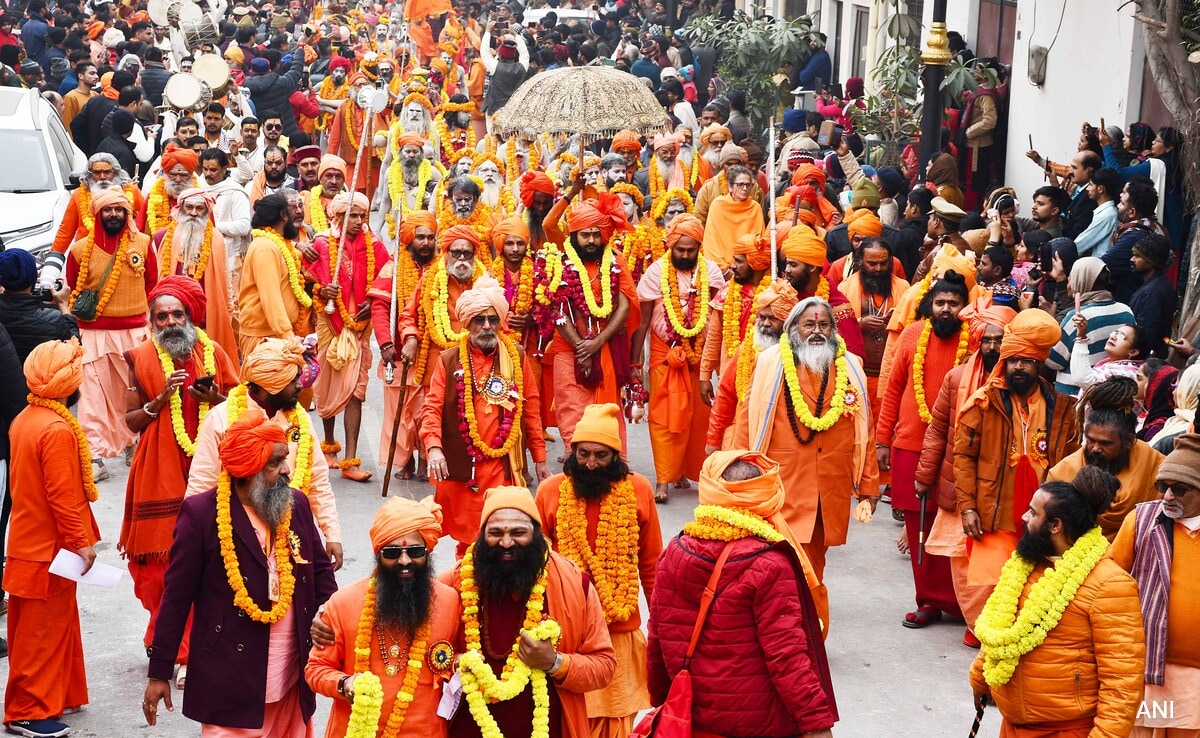
Pilgrims participating in the Kumbh Mela are a diverse group, comprising ascetics, saints, sadhus, sadhvis, and devotees from various walks of life. During the event, numerous ceremonies take place, including the traditional procession of Akharas known as ‘Peshwai’, featuring dramatic displays on elephants, horses, and chariots, along with the rituals of Naga Sadhus during the Shahi Snan.
Real Life Experiences: The Spiritual Essence of Kumbh Mela
Attendees of the Maha Kumbh Mela often recount experiences that go beyond mere ritual; they describe feelings of spiritual awakening and connection with the divine. The festival’s atmosphere is electric, teeming with emotions and an overwhelming sense of community among pilgrims.
As per the report by[hamslivenews.com](insert link), those who have participated in past Kumbh Melas recount stories of healing, revelation, and unity amidst the throngs of fellow believers. The sense of collective spirituality is palpable, as individuals bond over shared aspirations of attaining inner peace and spiritual enlightenment through their rites.
Practical Insight for Pilgrims: Preparing for Maha Kumbh Mela 2025
For attendees planning to participate in this extraordinary event, careful preparation is crucial. It is recommended to make travel reservations well in advance, considering the significant influx of visitors. Pilgrims should also familiarize themselves with local customs and guidelines to ensure a respectful and meaningful experience.
Dressing appropriately and adhering to hygiene practices will enhance the overall experience, as will learning about the history and significance of the rituals. Being part of a guided group can make the experience more enriching, allowing for deeper connections with other pilgrims and the cultural aspects of the festival.
As anticipation builds for the Maha Kumbh Mela 2025, it provides an invaluable opportunity to engage with the ancient spiritual practices of Hinduism, draw closer to the divine, and immerse oneself in a celebration of faith and community.